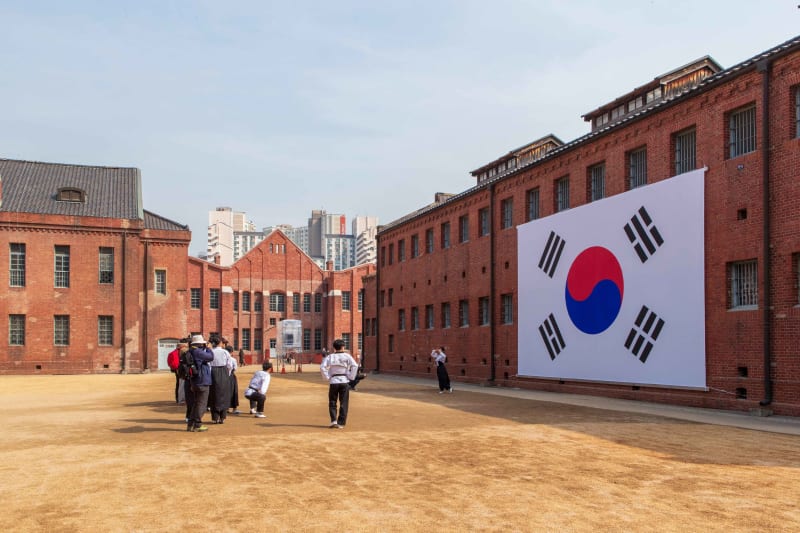
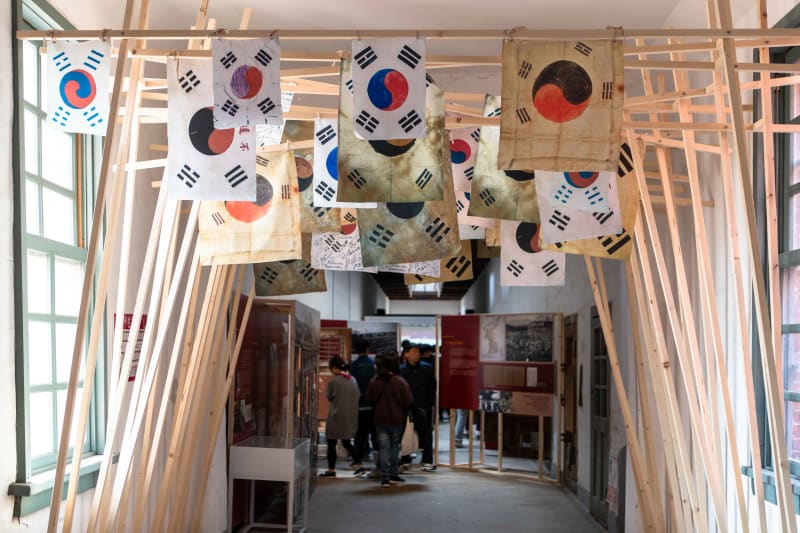

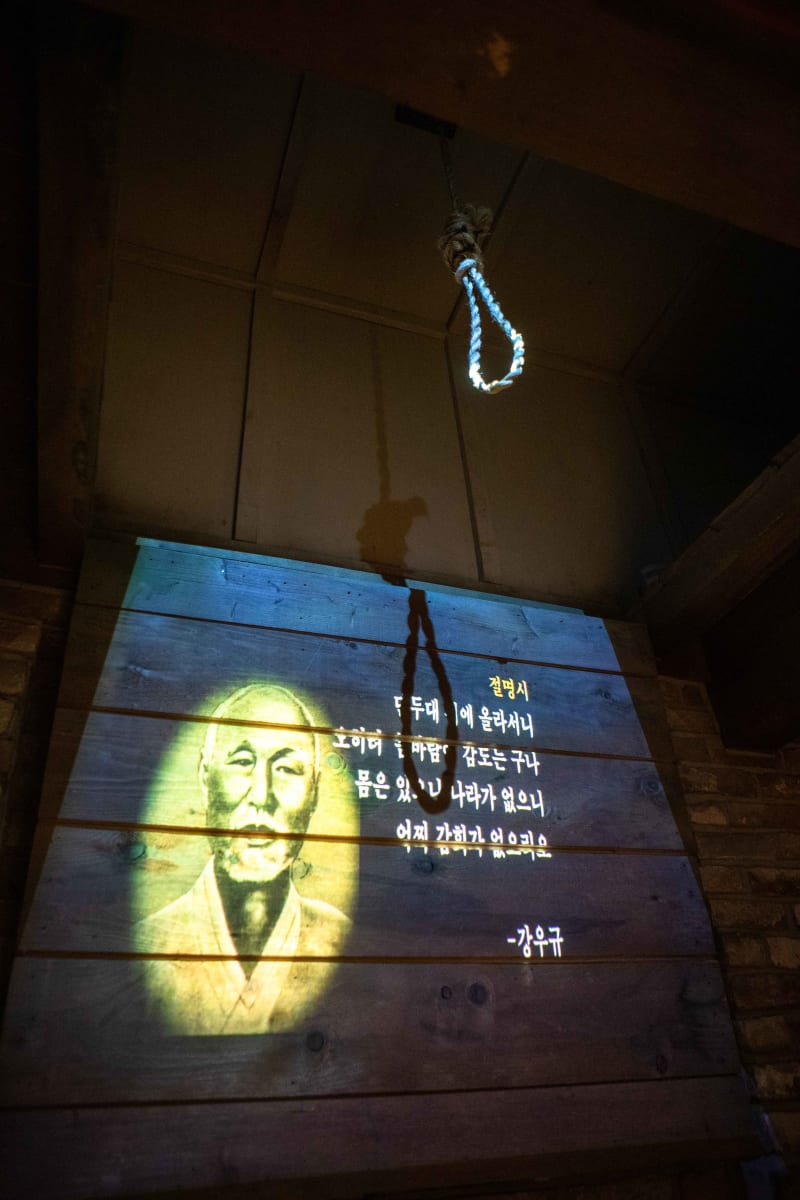
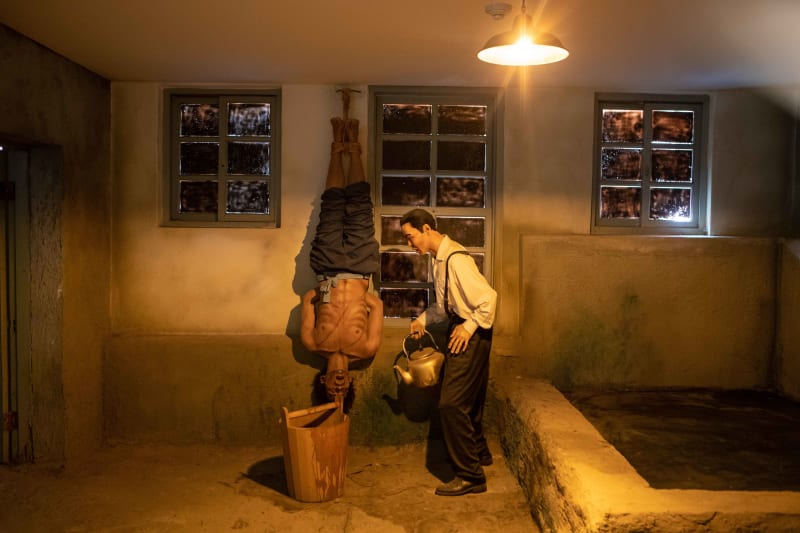
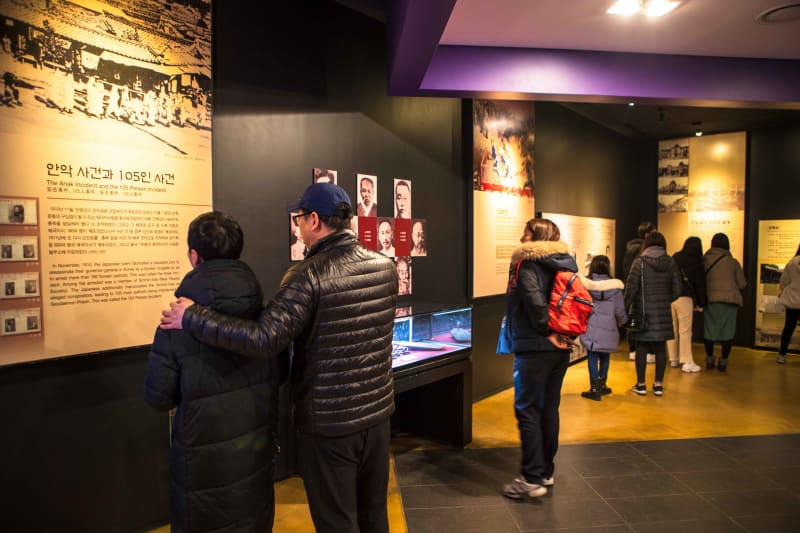
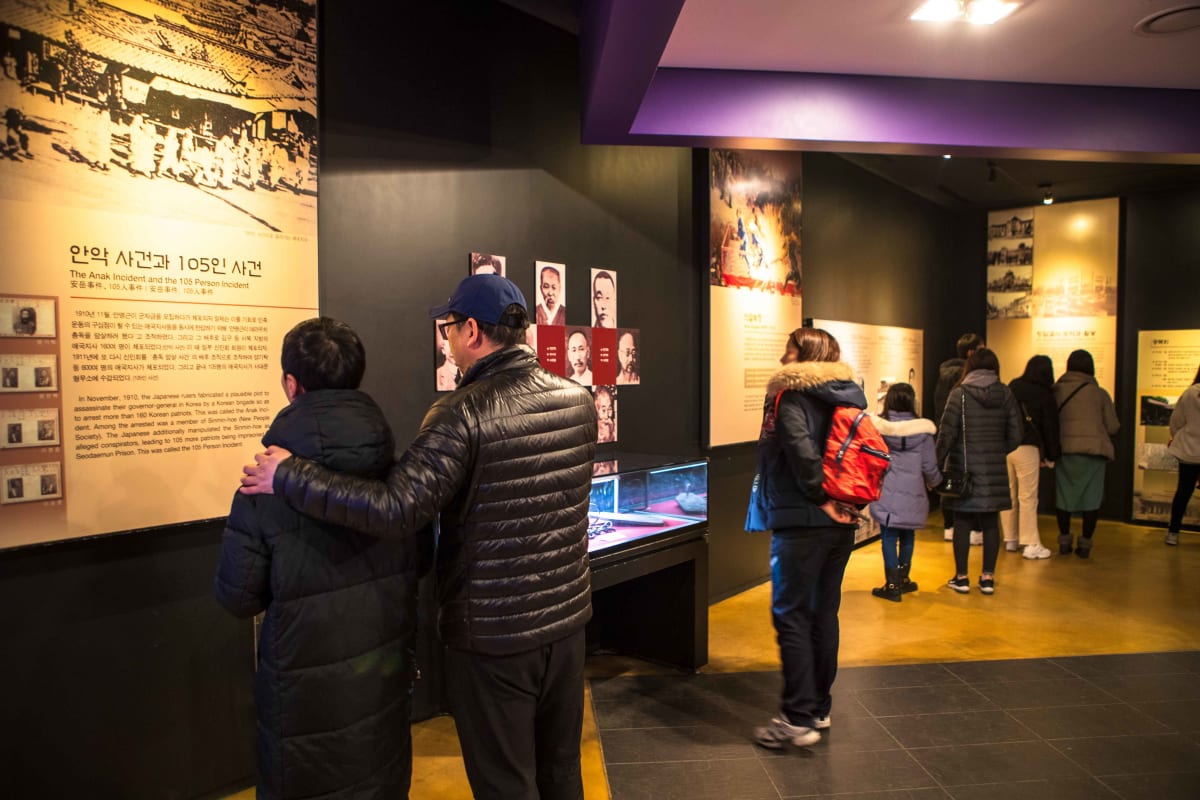
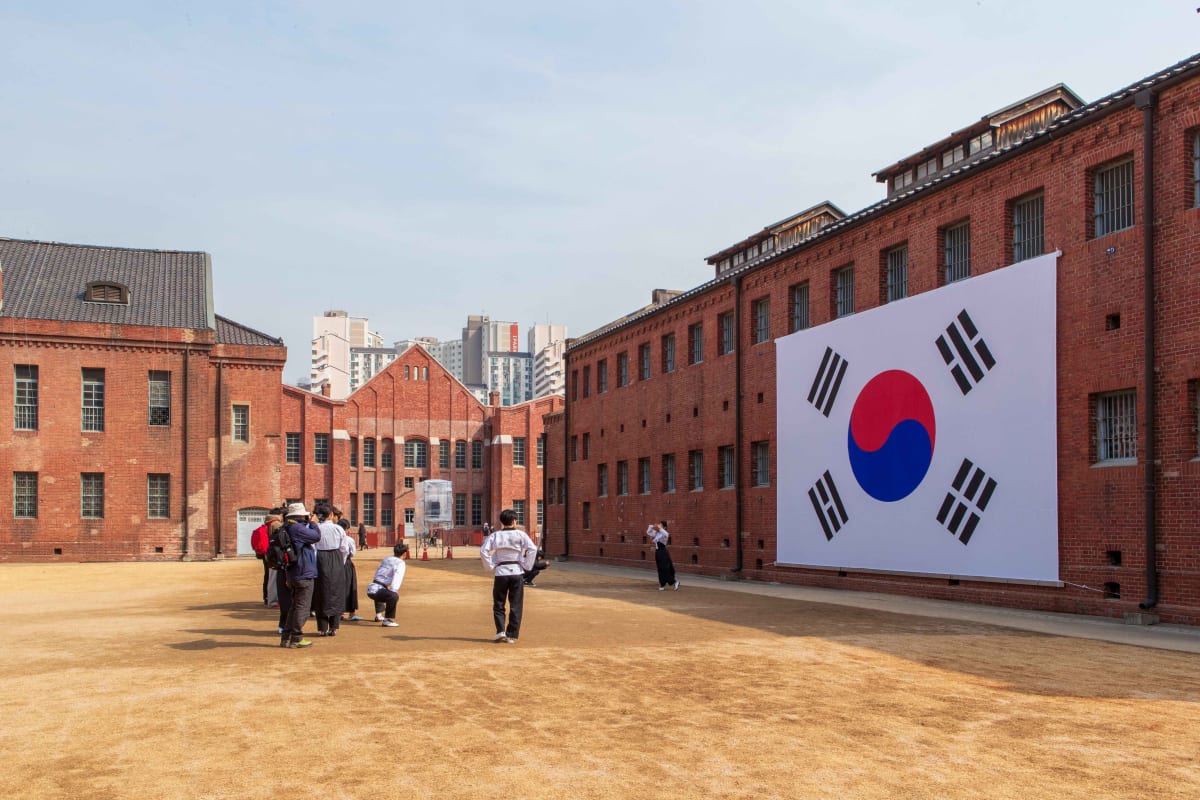
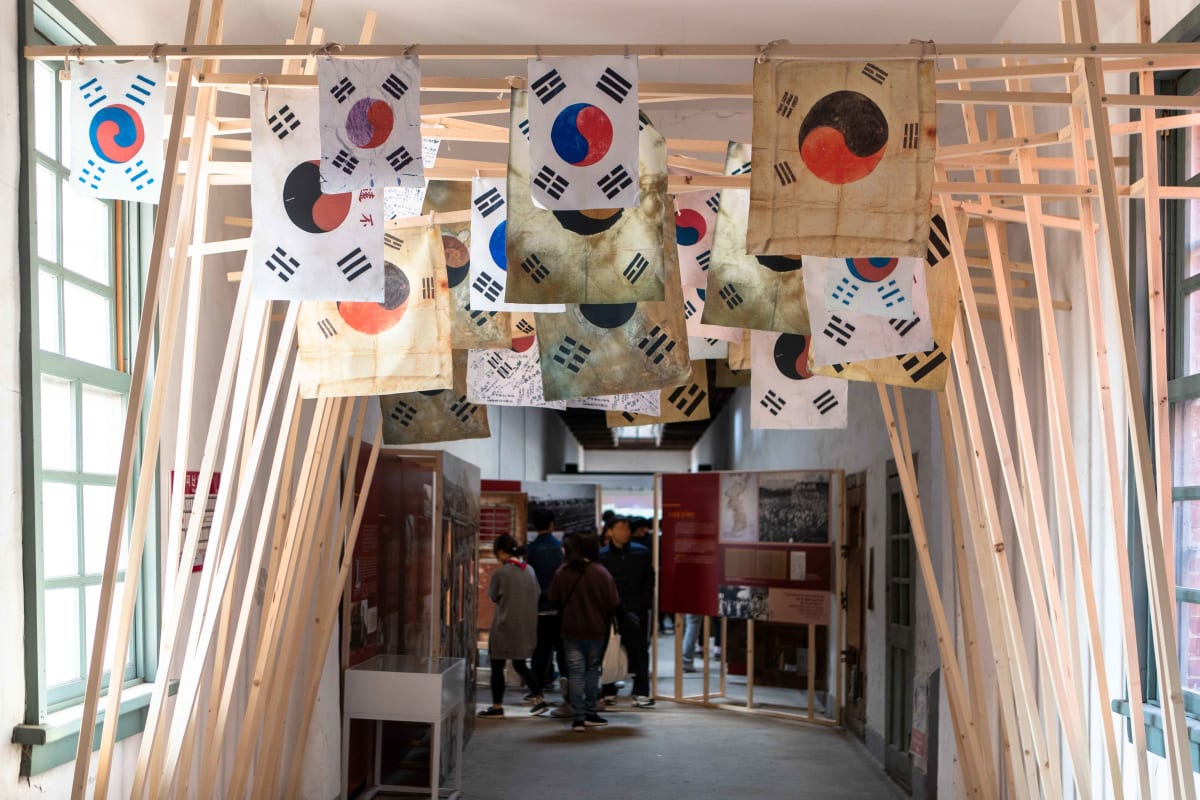

A former colonial-era prison in Seoul, now a museum on Korea's independence movement.
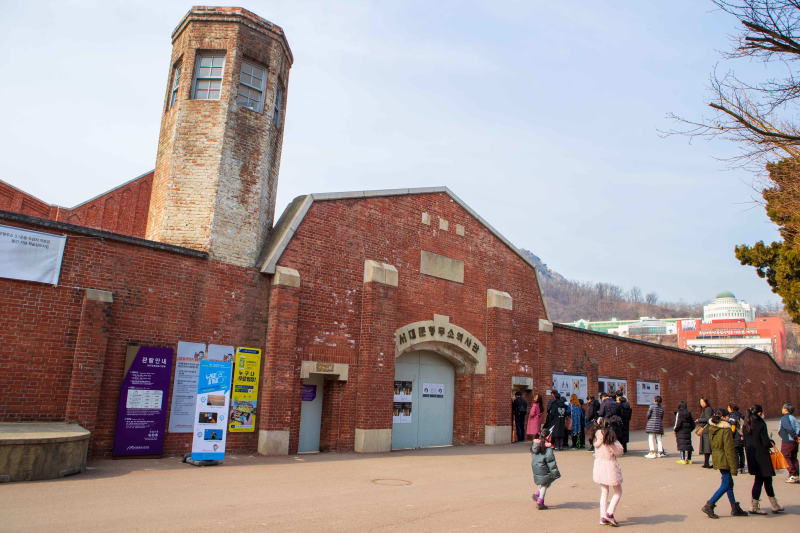
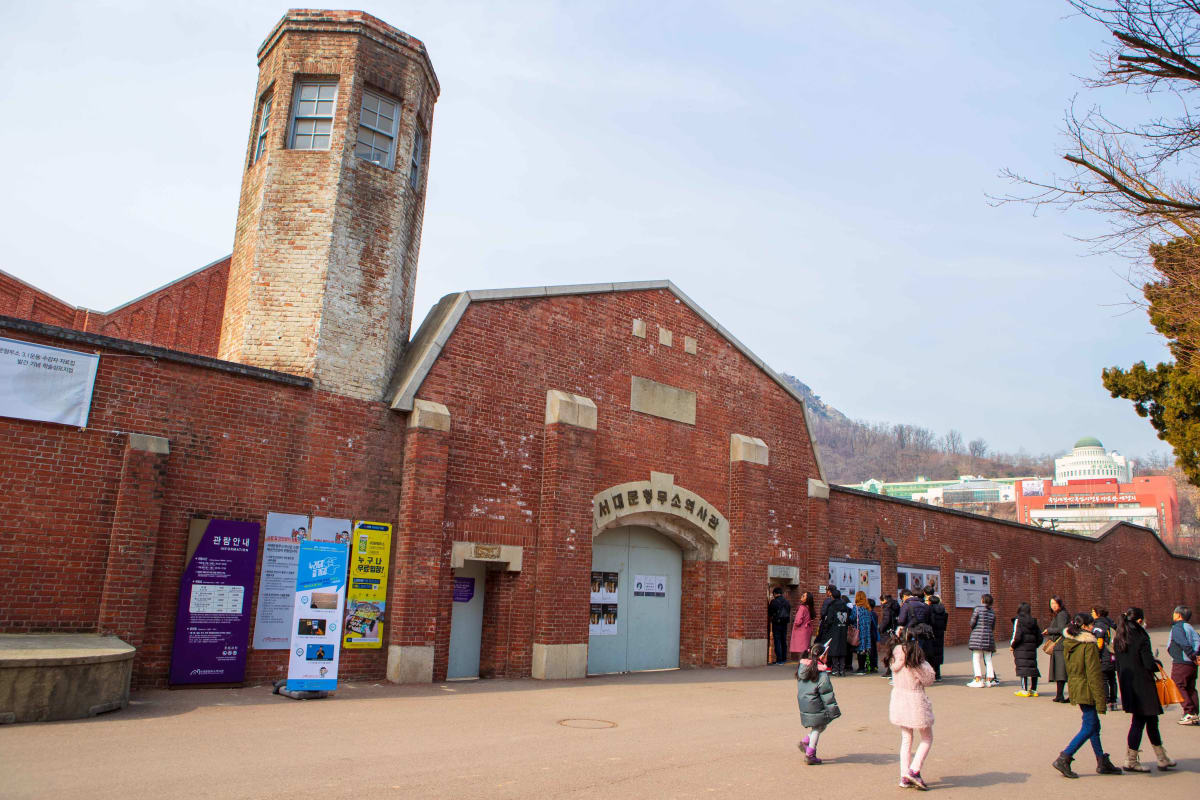
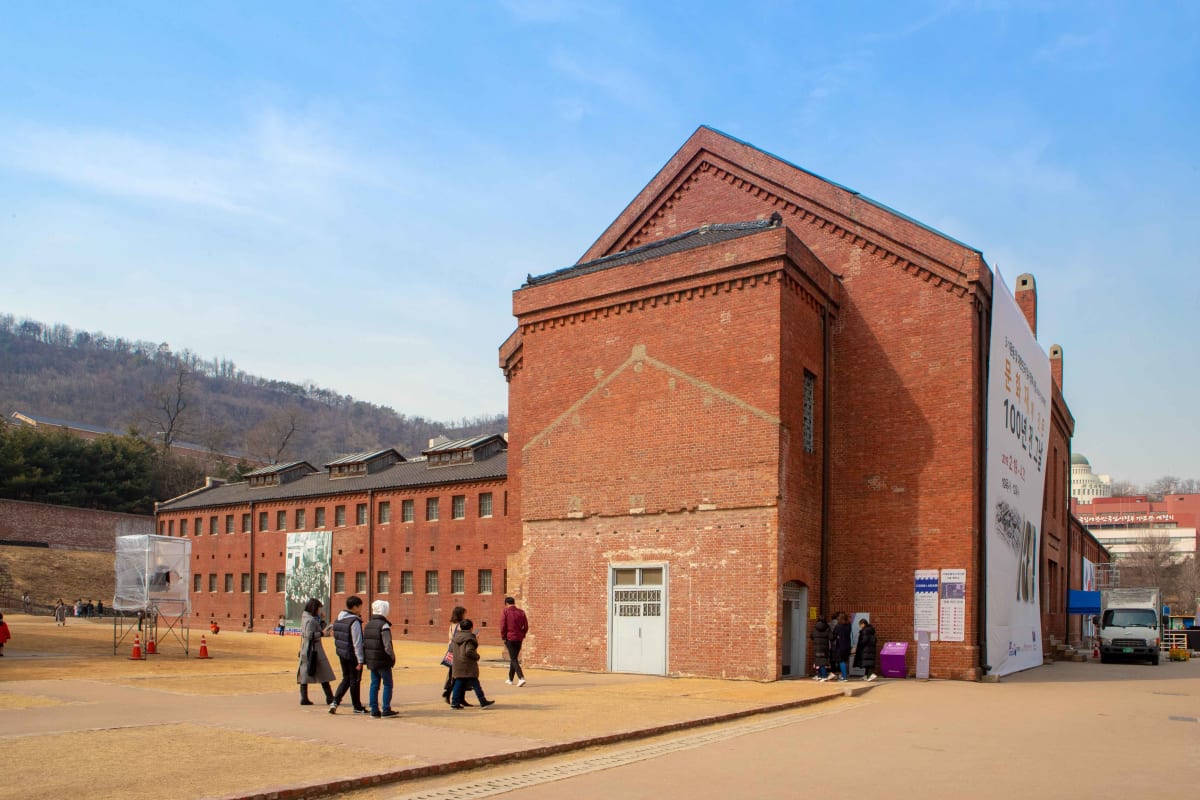
Seodaemun Prison History Hall is a museum and former prison in Seodaemun District, Seoul, close to exits 4 and 5 of Dongnimmun Station on Seoul Subway Line 3. Imperial Japan began construction in 1907 and opened the prison on October 21, 1908 under the name Gyeongseong Gamok, later renamed Seodaemun Prison in 1923. It was used through the colonial period to hold Korean independence activists, and the site today explains that history through preserved cells and grounds within Seodaemun Independence Park.
Colonial-era use
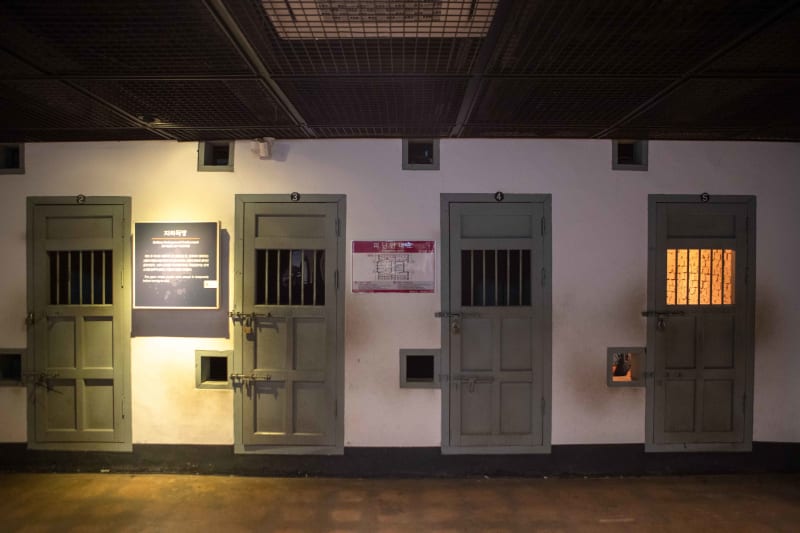
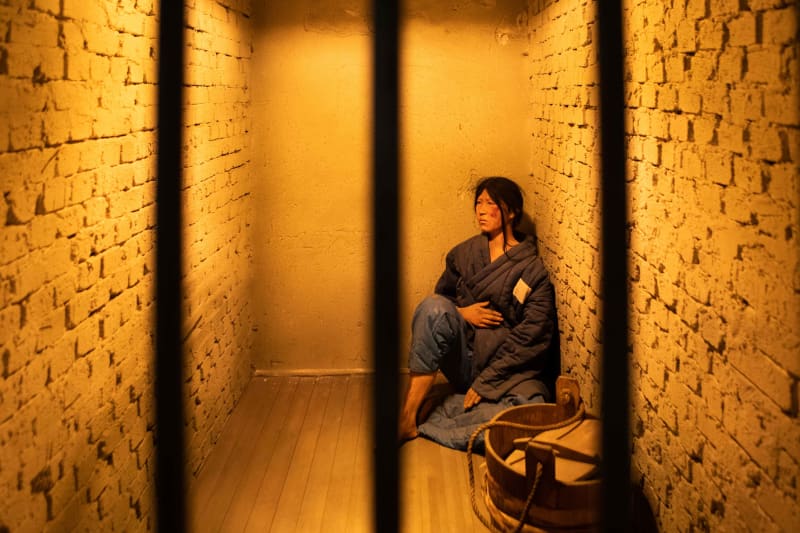
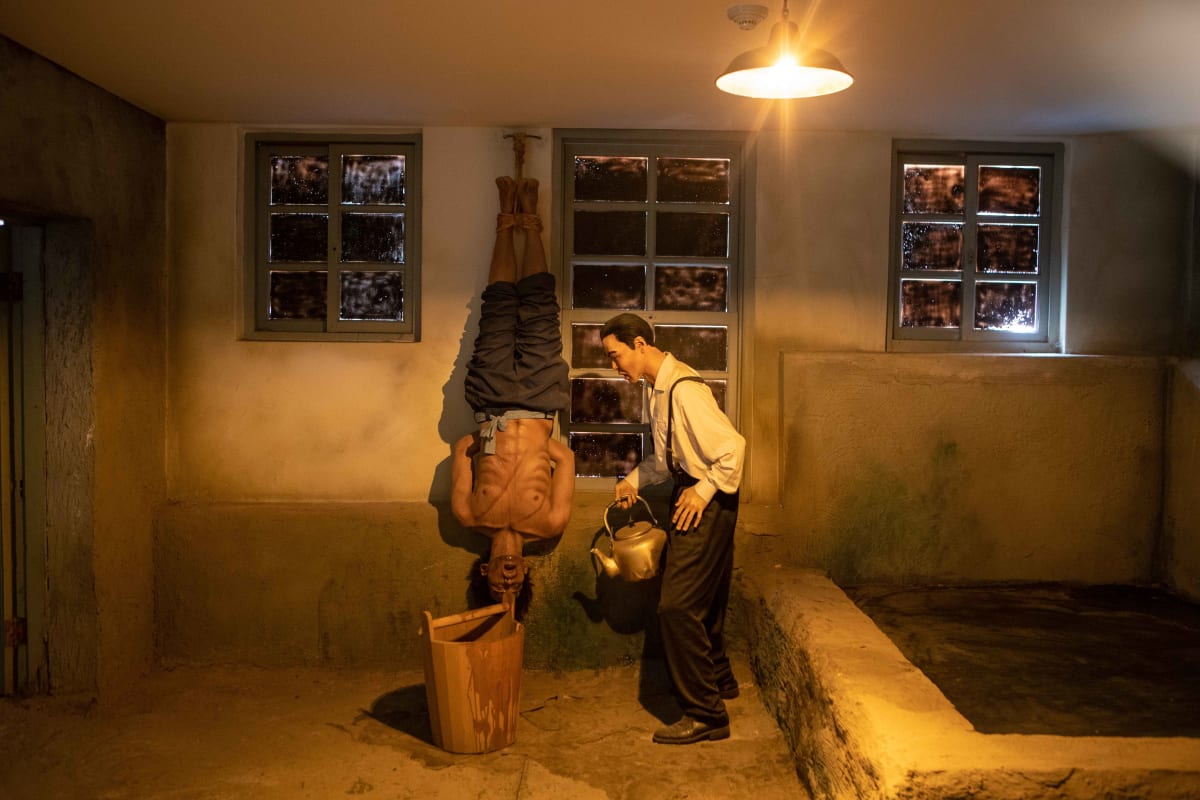
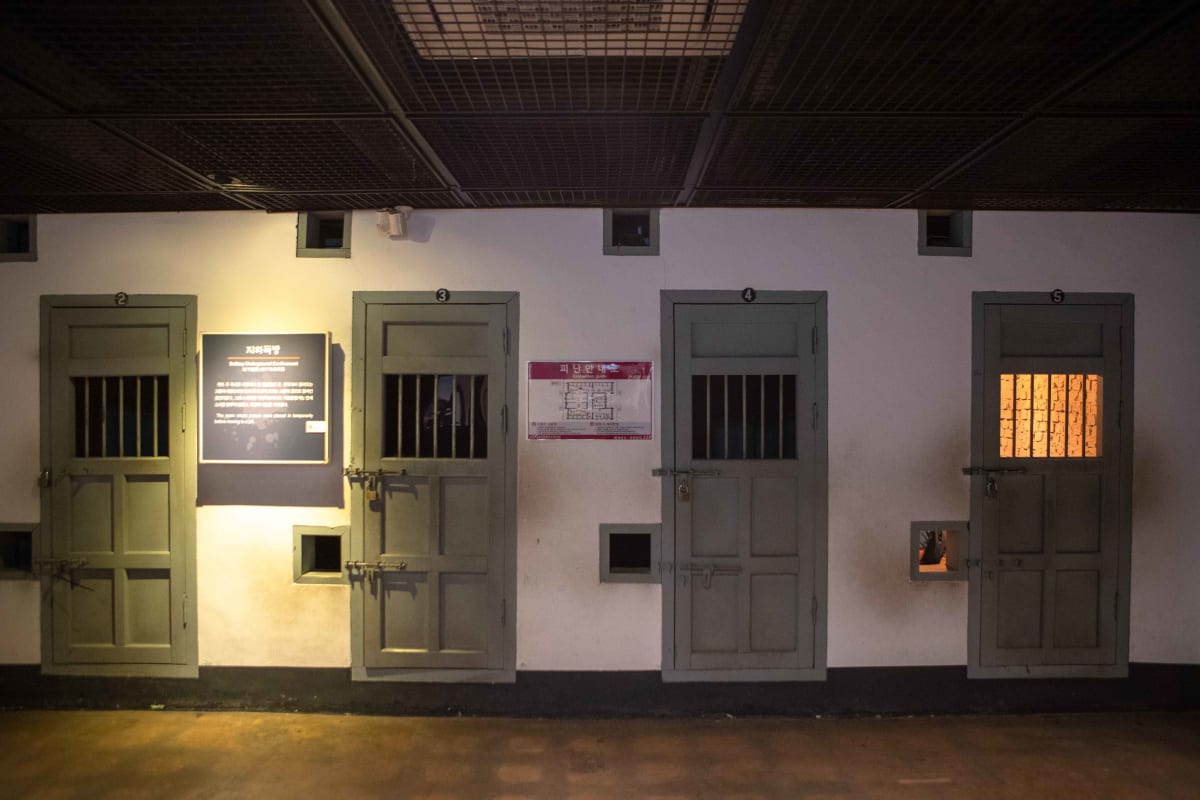
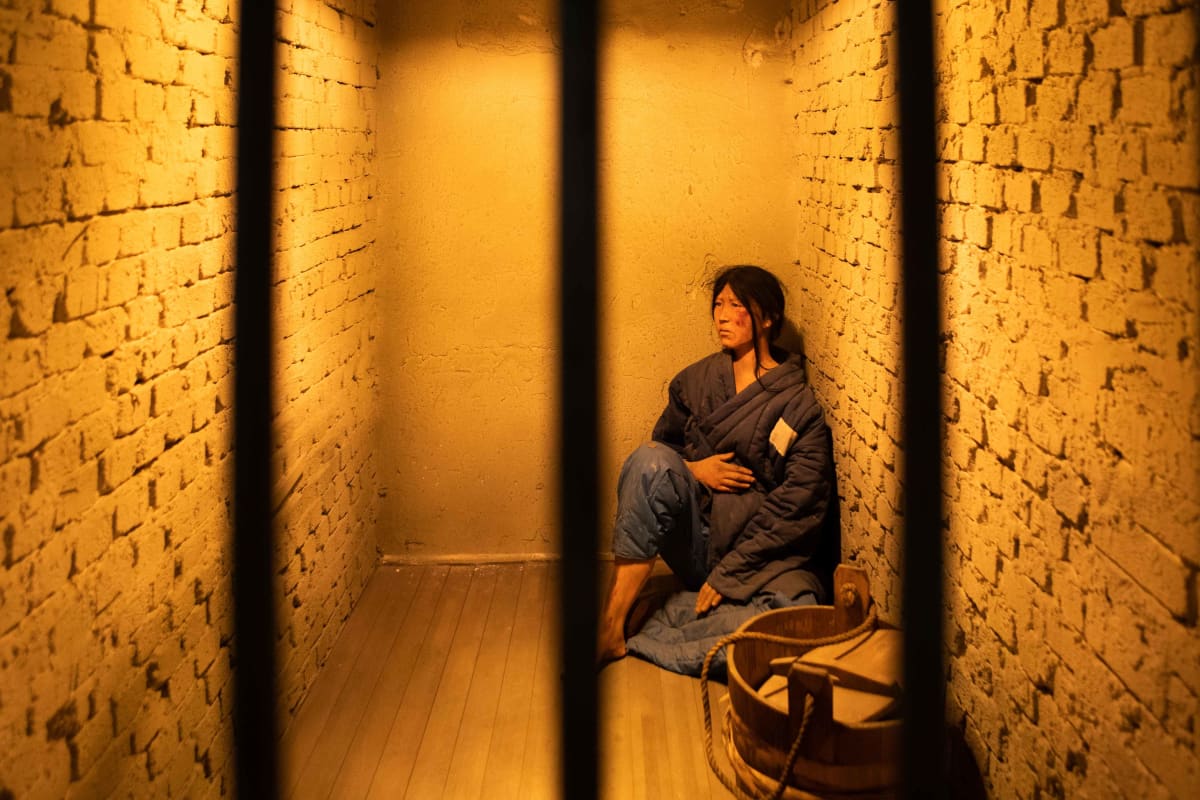
The prison could originally hold around 500 inmates and had a separate facility for women and young girls. Independence activist Kim Ku was imprisoned here in 1911. After the March First Movement of 1919, the number of prisoners rose sharply to about 3,000, including Yu Gwan-sun, who died from torture inflicted on her. Park Jin-hong, arrested five times, spent over ten years in the prison between 1932 and 1944; statues of her and fellow prisoner Lee Hyo-jeong stand in one of the women's cells. By 1945, near the end of colonial rule, the prisoner count stood at 2,980.
Postwar history and preservation
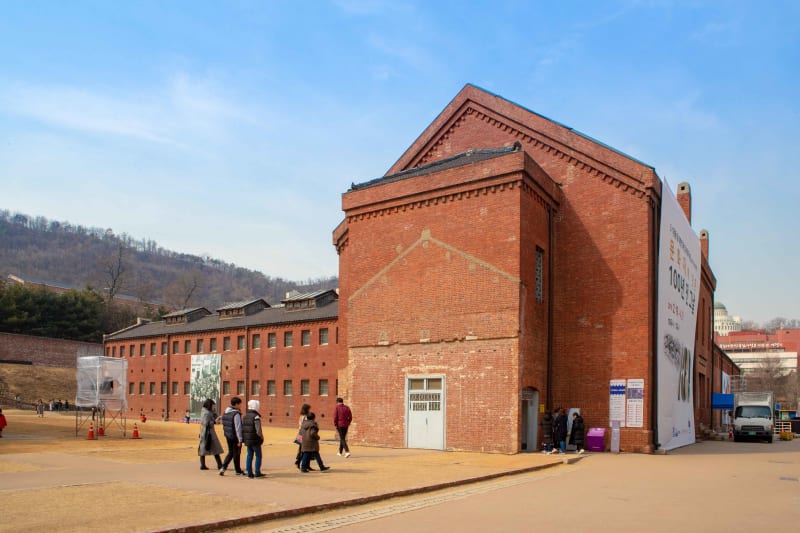
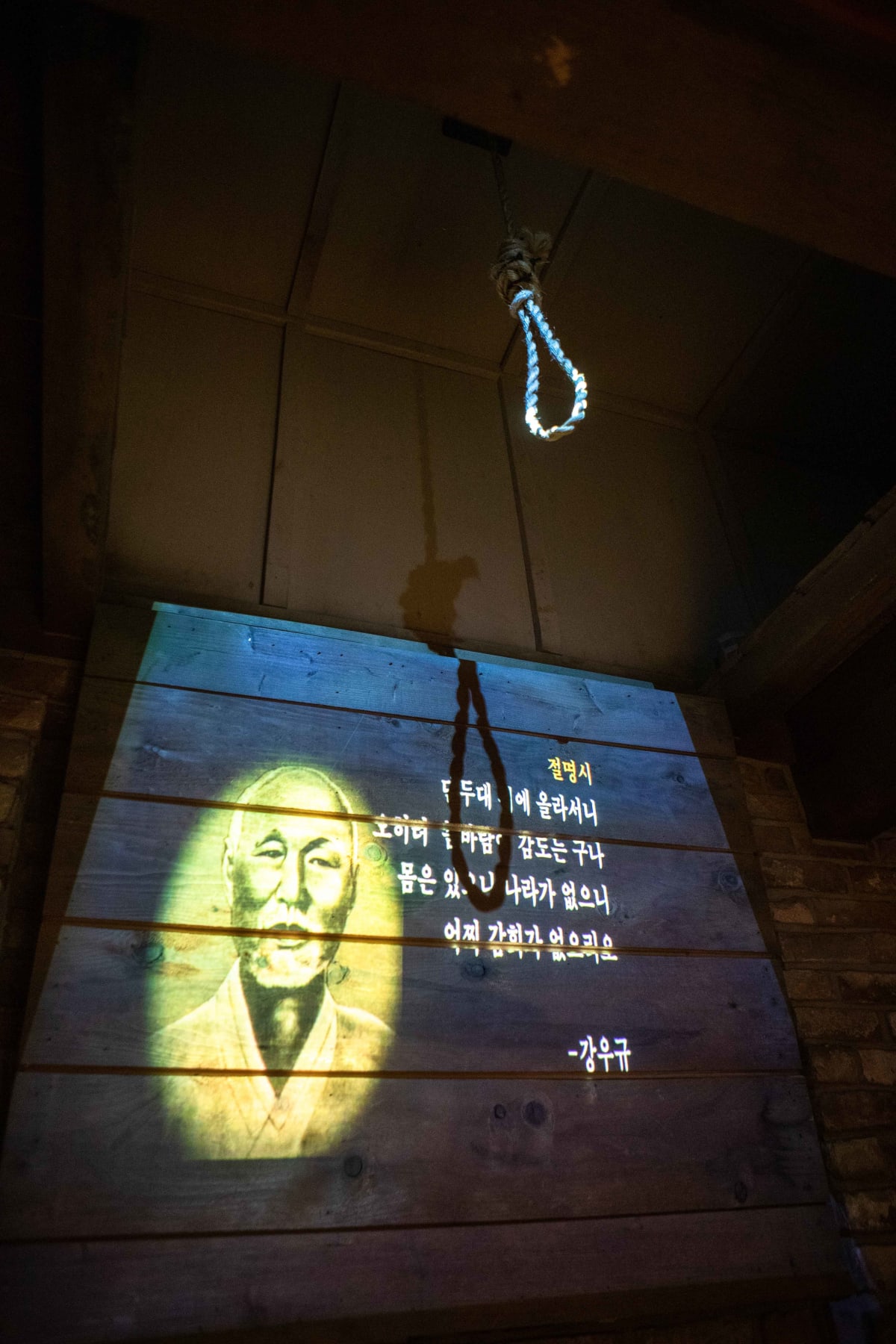
After liberation the prison continued under the South Korean government, and its population tripled between 1945 and 1950. When North Korean forces briefly held Seoul in 1950 they released over 8,500 prisoners, who were soon replaced by thousands of political prisoners, at least 1,000 of whom were executed as North Korean forces withdrew that September. The facility operated under various names, including Seoul Prison, Seoul Correctional Institute, and Seoul Detention Center, until its closure in 1987, when inmates were transferred to Uiwang in Gyeonggi Province. Most post-1945 buildings were demolished, but public pressure preserved eleven of the original 98 structures, including the gallows area, as historical monuments. The site reopened as Seodaemun Prison History Hall on November 5, 1998, within Seodaemun Independence Park, which had opened in 1992.
What to know
- In KoreanCopied
- Typically spend1–2 hours
- SubwayDongnimmun Stn (Line 3), Exit 5
Hours
Last admission 17:30.
- Closed on Mondays (if Monday is a public holiday, closed the following day instead); also closed Jan 1 and on Lunar New Year and Chuseok holidays.
Admission
- Free admission for national merit recipients, persons with disabilities, seniors 65+, etc. See official website for details.
Features
Amenities
Nearby

Reviews
Book your visit
We may earn a commission from these links.
Stay nearby
We may earn a commission from these links.
Similar places
 Seoul1
National Museum of Korea
History Museum
 Seoul0
War Memorial of Korea
History Museum
 Seoul0
Seosomun Shrine History Museum
History Museum
 Jeju Island0
Haenyeo Museum
History Museum
 Jeolla0
Mokpo Modern History Hall
History Museum
 Seoul0
Leeum Museum of Art
Art Museum
 Seoul0
MMCA
Art Museum
Hongje Yuyeon Art Tunnel
Cultural Space
 guru report