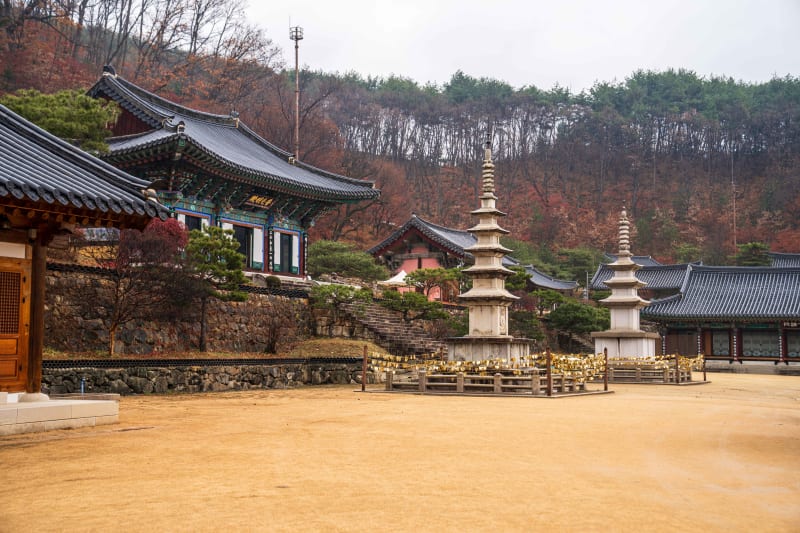
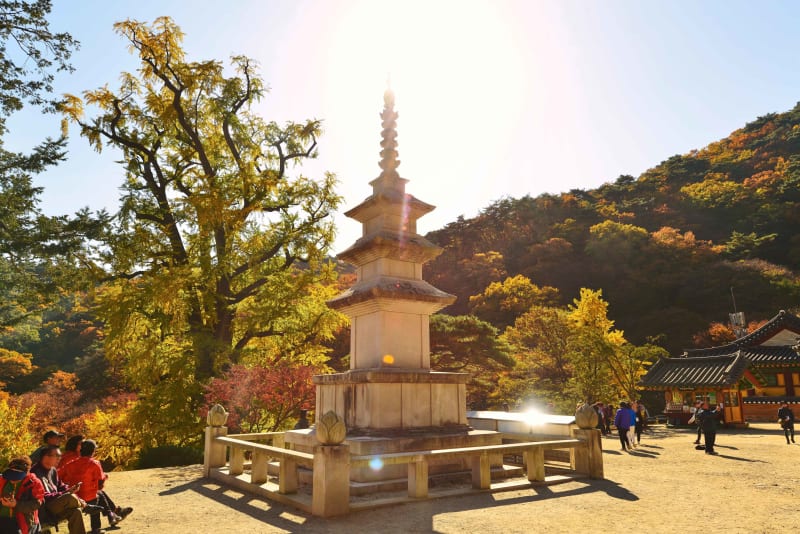
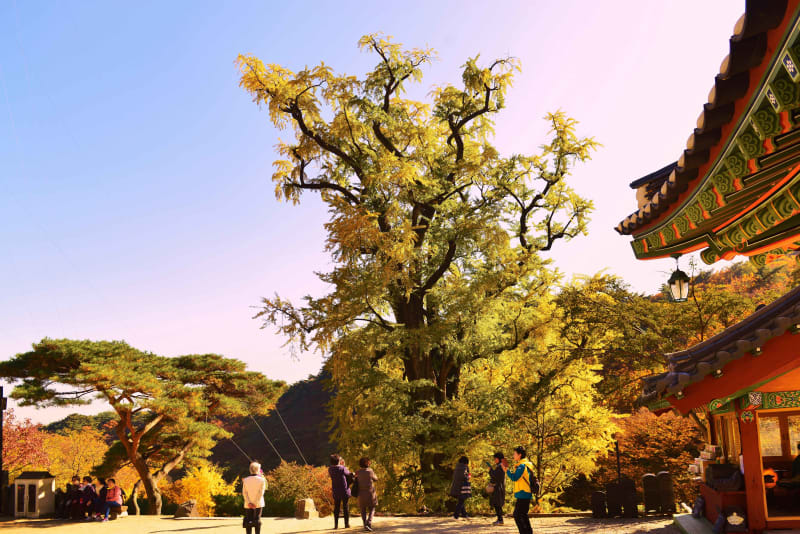
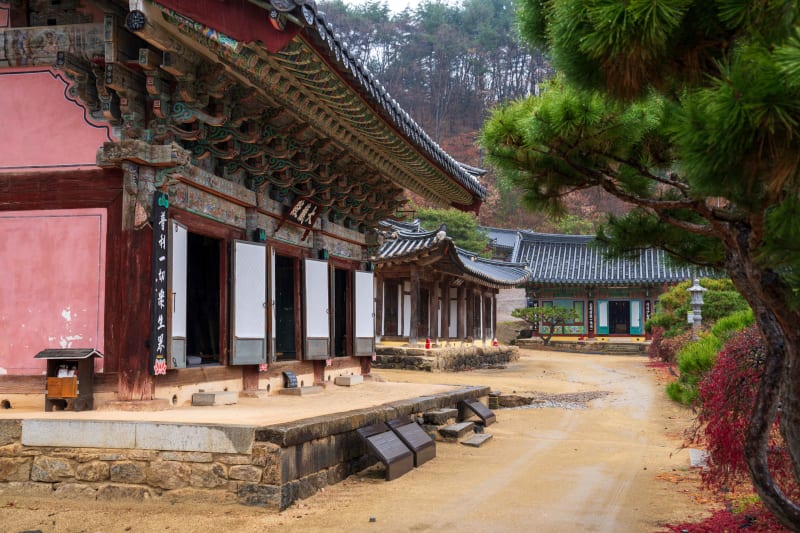
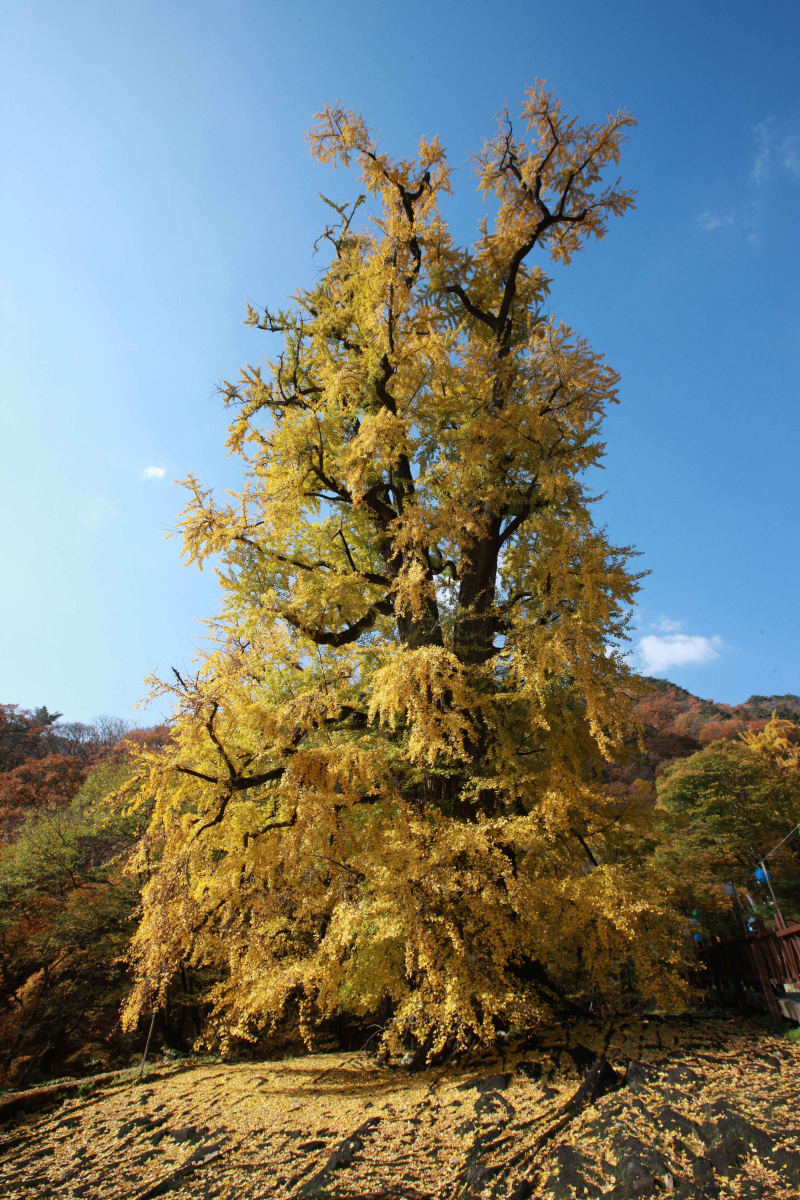
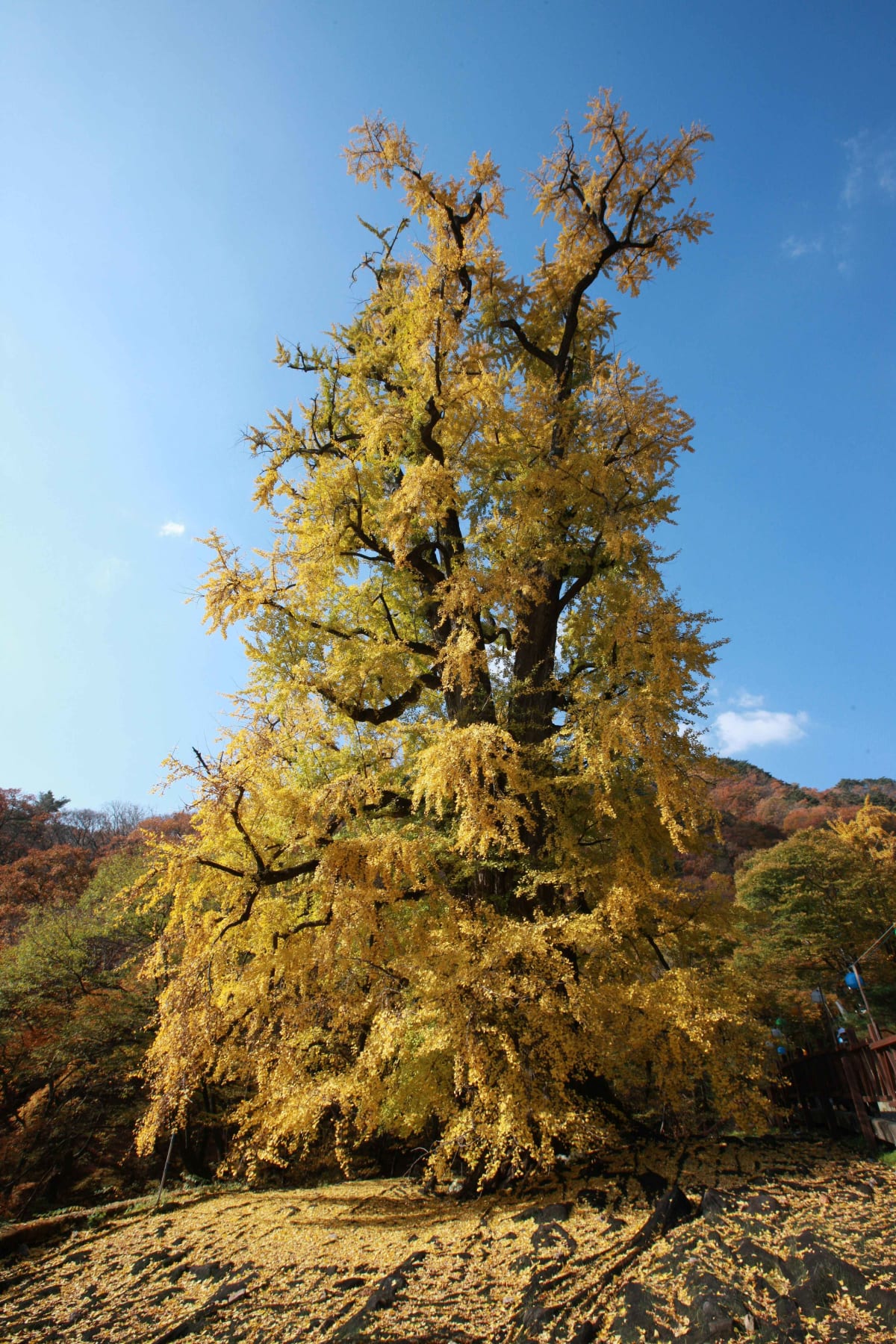
A Buddhist temple on Mount Yongmun in Yangpyeong county, Gyeonggi province, known for a ginkgo tree believed to be the largest in Asia.
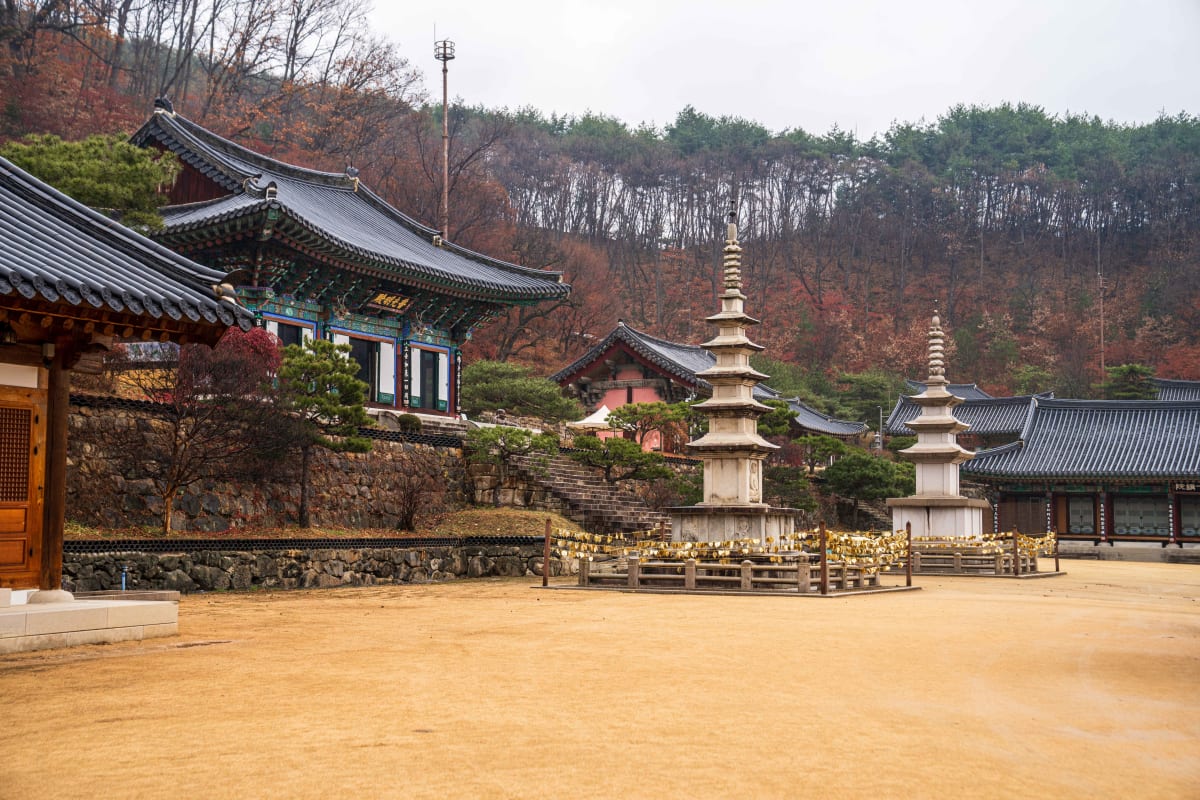
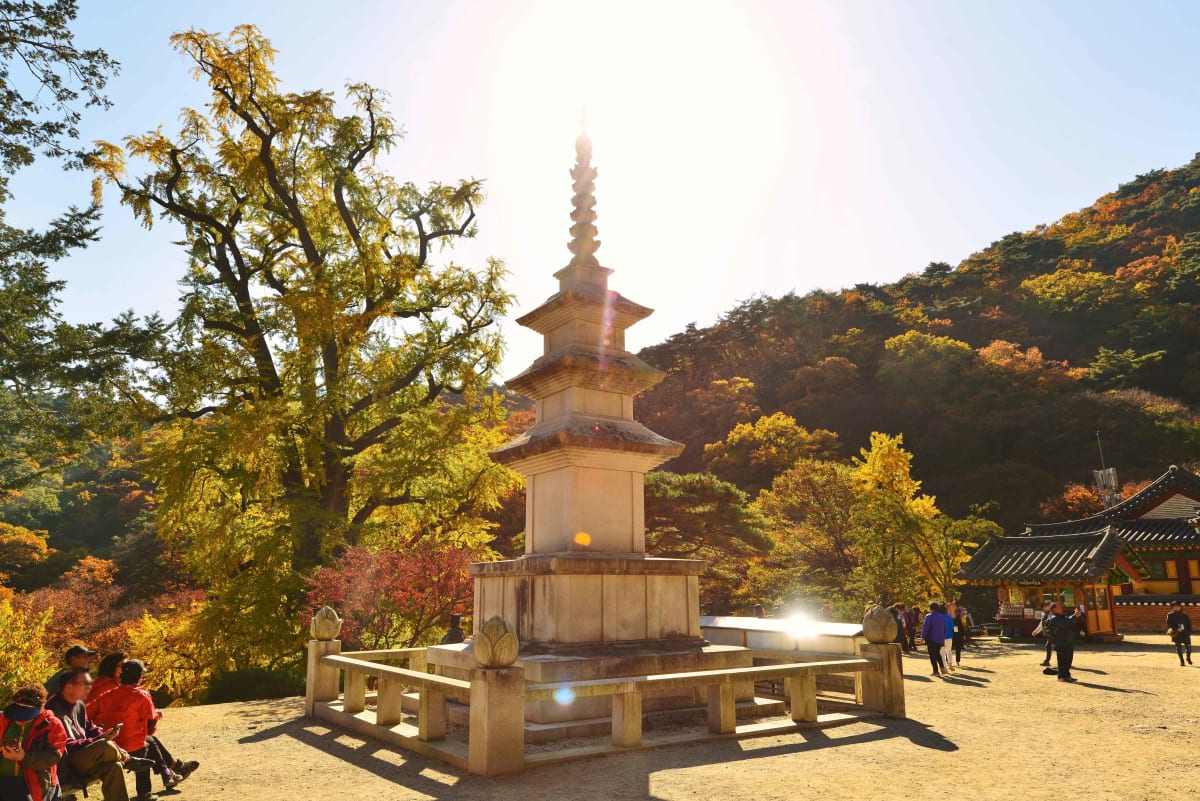
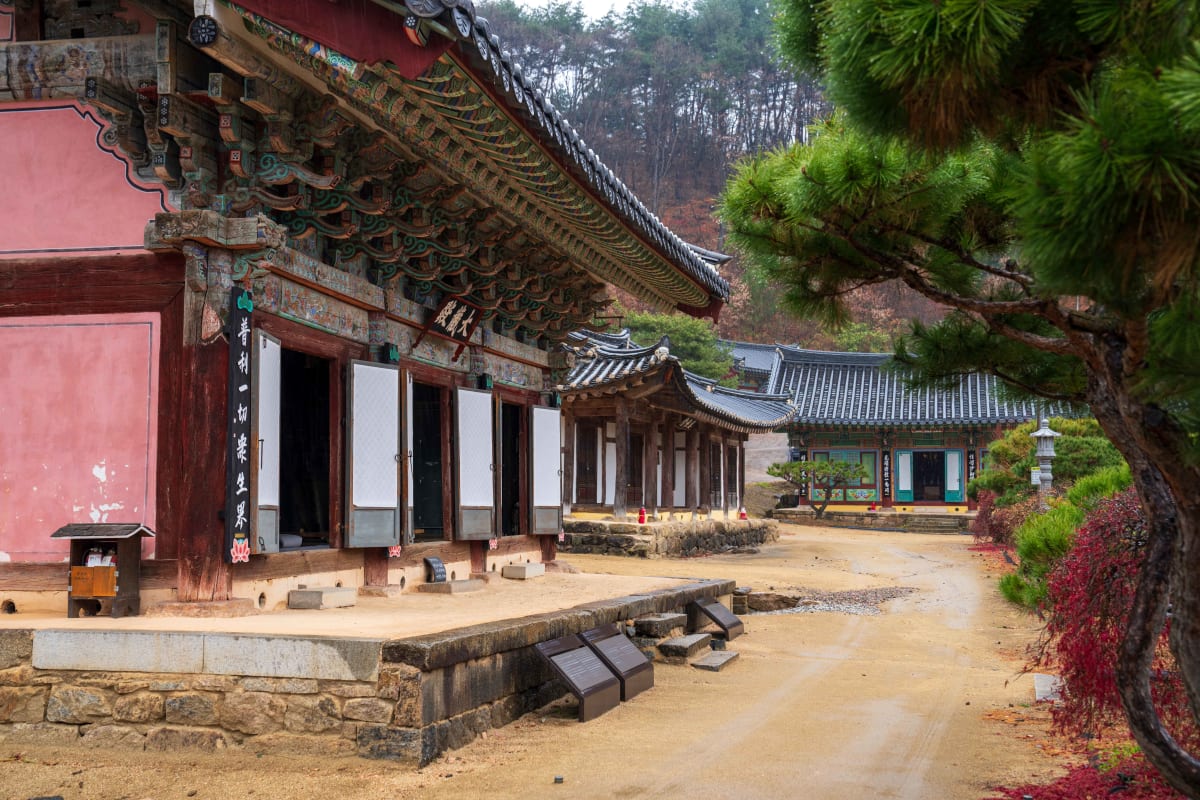
Yongmunsa is a Buddhist temple of the Jogye Order located at the foot of Mount Yongmun in Yangpyeong county, Gyeonggi province, within the Yongmunsan tourist resort area. Sources date its founding to 913, though accounts differ on the founder: one names the monk Daegyeong, another attributes it to Crown Prince Maui, the last prince of Unified Silla. The temple's buildings include the Daeungjeon (main Buddha hall), Sallyeonggak, Chilseonggak, a monks' quarters, a one-pillar gate, a temple stay center, and a tea garden.
The ginkgo tree
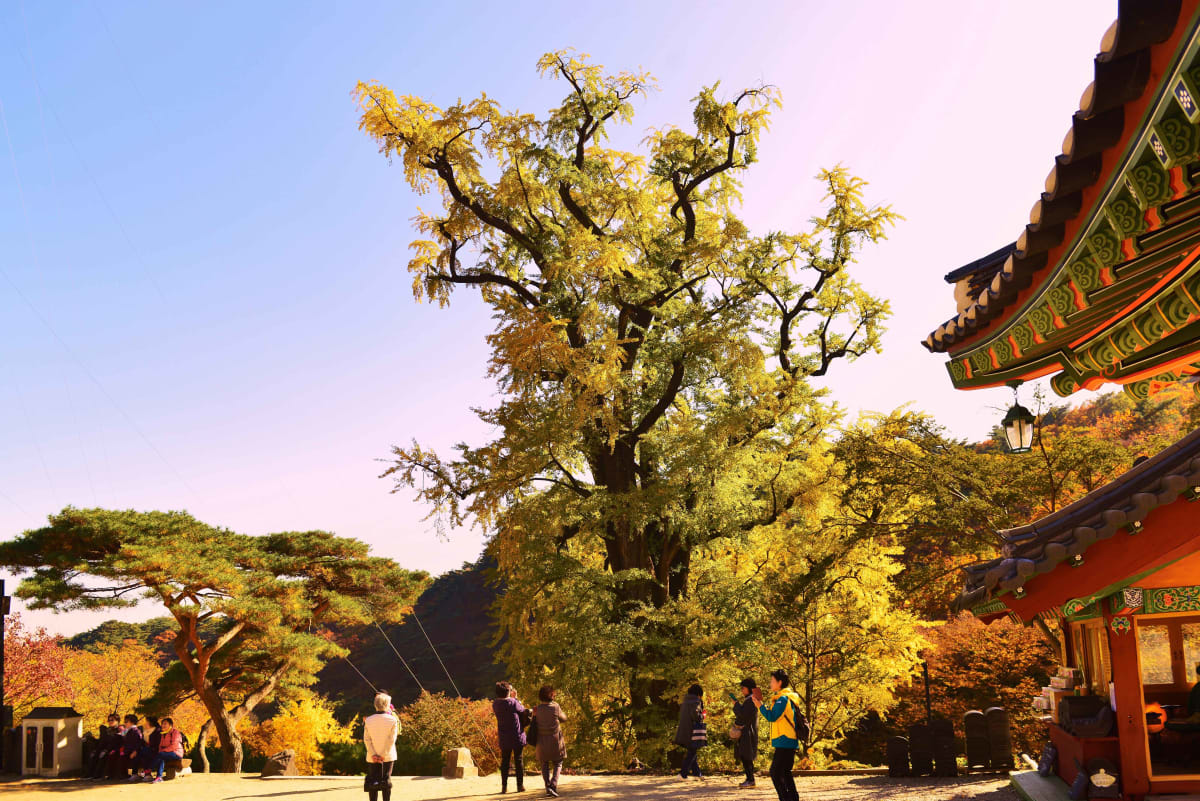
On the temple grounds stands a ginkgo tree designated Natural Monument No. 30, estimated at around 1,100 to 1,500 years old and considered the largest of its kind in Asia. It stands 42 meters tall with a base circumference of about 14 to 15.2 meters and produces roughly 100 straw bags of ginkgo nuts each year. According to one legend, the tree grew from a sapling planted by Crown Prince Maui as he traveled toward Geumgangsan after the fall of Silla. Another legend holds that it sprouted from a walking stick planted in the ground by the monk Uisang.
History and other landmarks
No records survive from the Goryeo Dynasty, though the temple appears in Joseon-era records. In 1378, the monk Jicheon brought Buddhist scripture (the Tripitaka) from Gyeongcheonsa Temple in Gaepung for safekeeping at Yongmunsa, and in 1395 the monk Jo-an led a reconstruction. In 1447, Prince Suyang (later King Sejo) rebuilt the main Buddha hall on the order of King Sejong, in honor of his mother, Queen Consort Soheon. A stupa and memorial stele for the National Preceptor Jeongji, who died in 1338, stand on the mountain slope east of the temple and are designated Treasure No. 531; a gilt-bronze statue of Avalokitesvara from the same period is designated Treasure No. 1790. Much of the temple was burned down by the Imperial Japanese Army in 1907 after being used as militia headquarters, and most of the current buildings were rebuilt after 1909. Along the valley above the temple, a rock formation called Yonggak-bawi (shaped like a dragon's horn) lies about 2 kilometers up the trail, with a large flat rock called Madang-bawi, able to seat around 100 people, another kilometer beyond. The temple also runs a temple stay program with both rest-focused and activity-focused options.
What to know
- In KoreanCopied
- HoursOpen 24 hours, year-round.
- Typically spend30–60 min
How to get there
Resources

Reviews
Book your visit
We may earn a commission from these links.
Stay nearby
We may earn a commission from these links.


 guru report