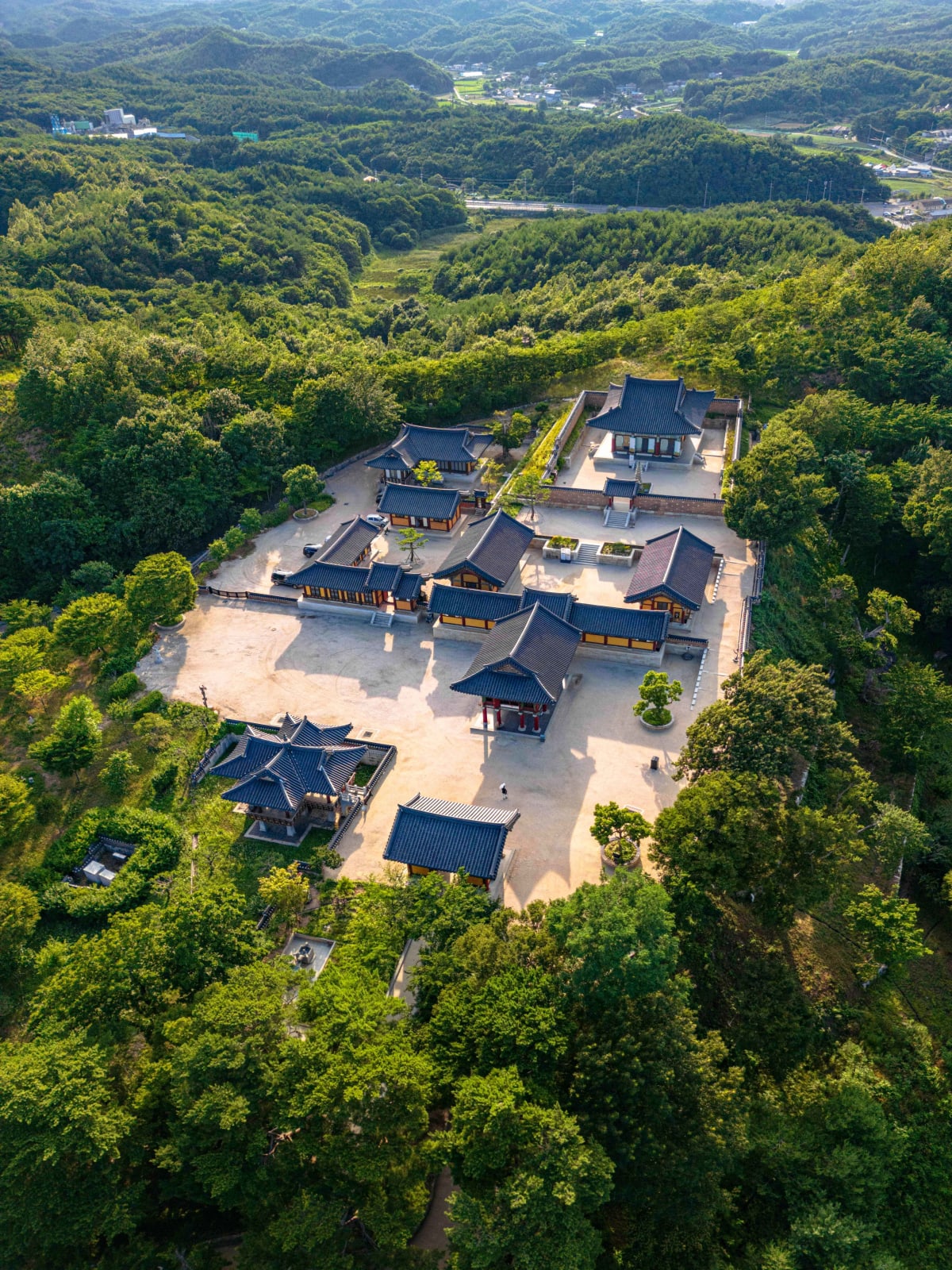
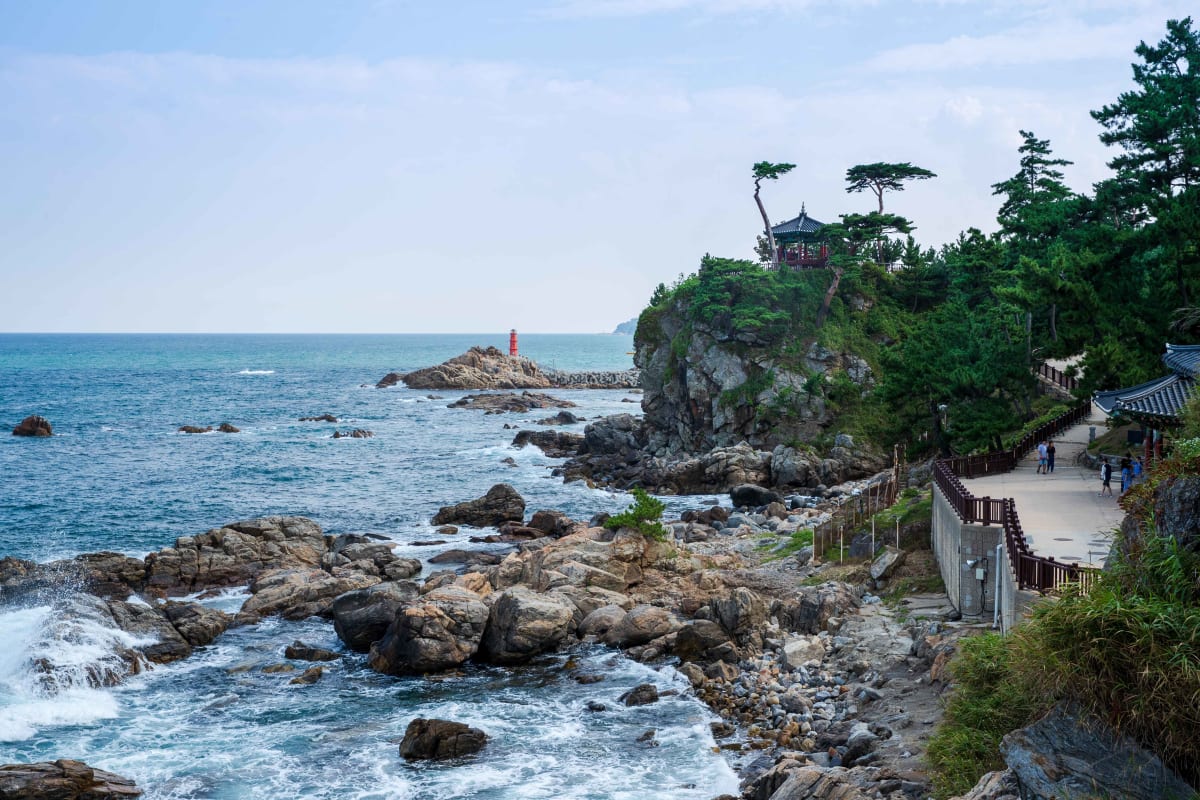
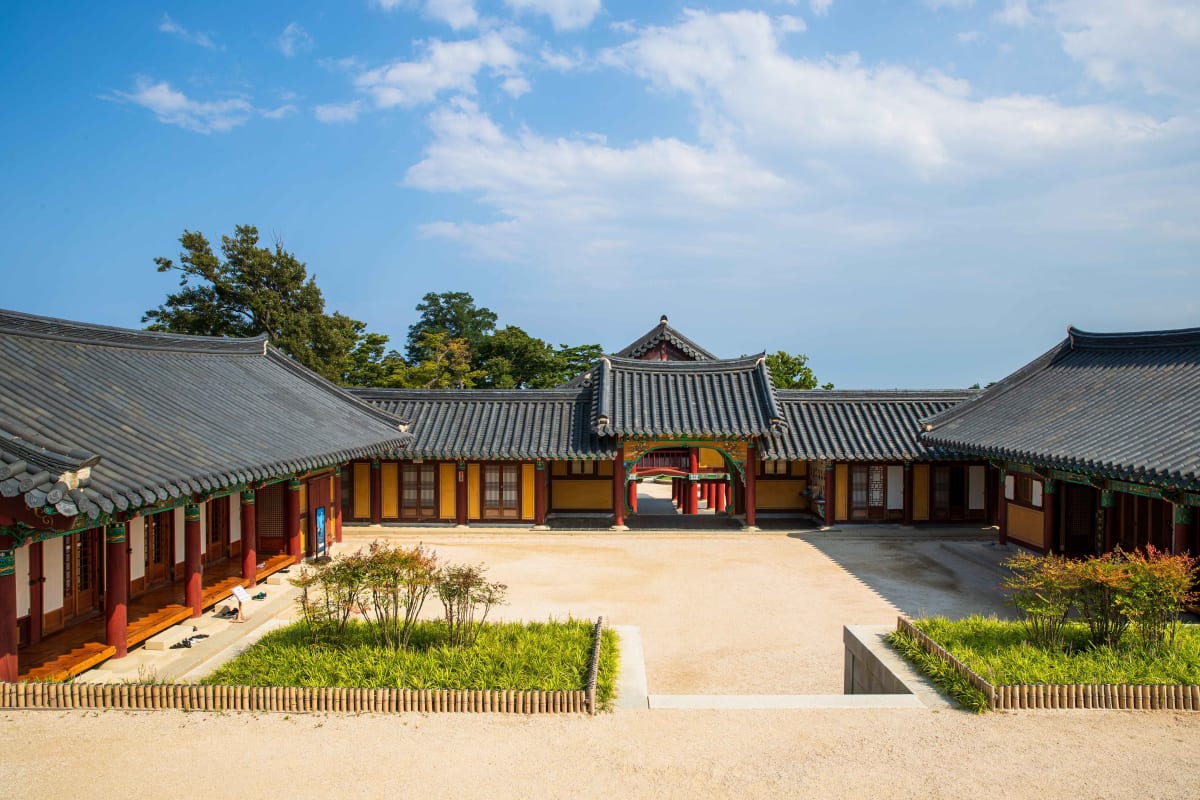
A coastal Buddhist temple in Yangyang, Gangwon Province, founded in 671.
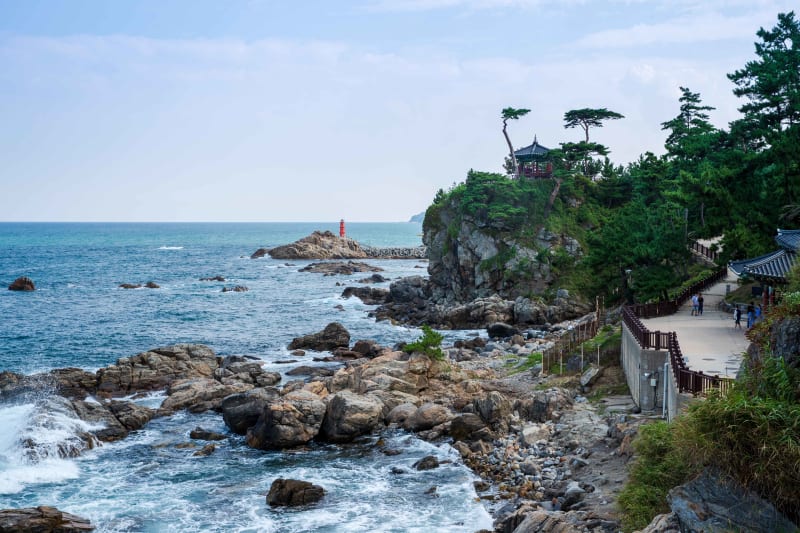
Naksansa is a temple of the Jogye Order on the slopes of Obongsan (also called Naksan Mountain) in Yangyang, Gangwon Province, overlooking the East Sea. It was founded in 671 by the monk Uisang Daesa during the reign of King Munmu, and it is counted among the three holy sites of Gwaneum (Avalokitesvara) in Korea, alongside Bomunsa on Ganghwa Island and Boriam on Namhae Island. The temple is also listed as one of Gwandong Palgyeong, the eight scenic sites of Gangwon.
History and 2005 Fire
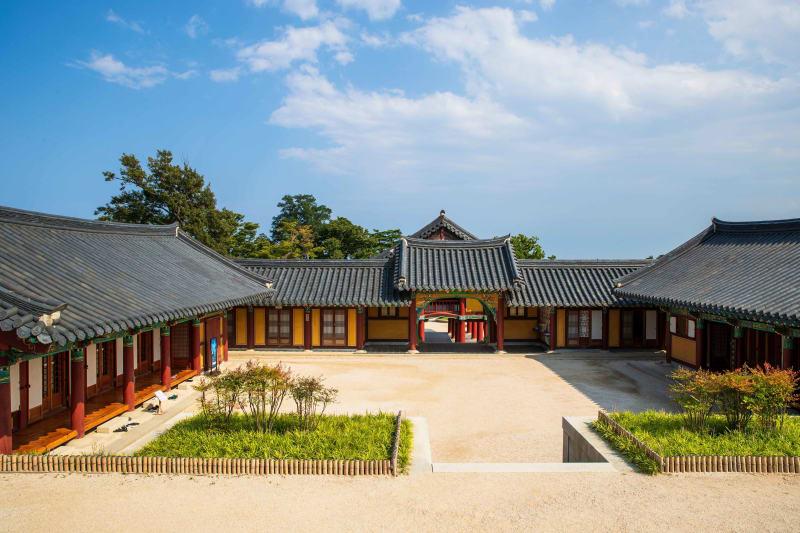
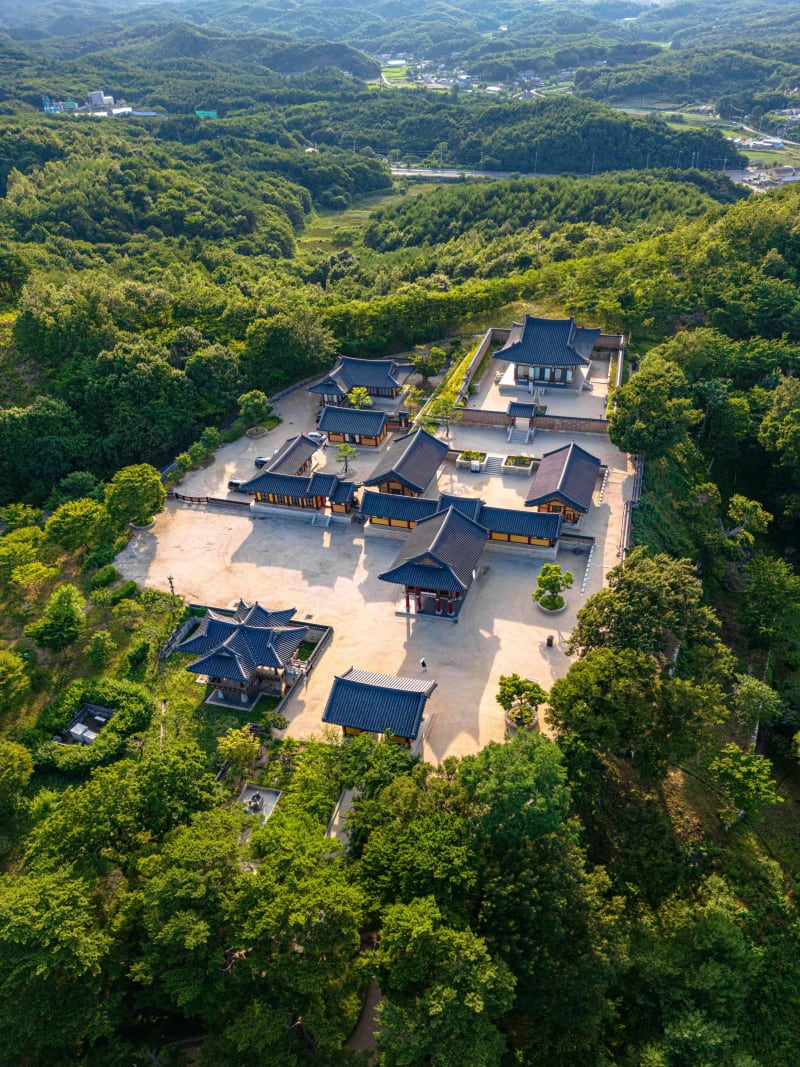
Most of the temple was destroyed by fire in the early Goryeo period, sparing only the halls dedicated to Gwaneum and Jeongchwi Bosal, and it was later burned down entirely during the Mongol invasions of Korea. It was rebuilt and expanded by royal order in the Joseon dynasty in 1467, 1469, 1631 and 1643, then destroyed again in the Korean War before being restored in 1953 and 1976. On April 5, 2005, a forest fire destroyed most of the temple again, including a bronze bell cast in 1469 that had been designated a treasure in 1968 before losing that designation after the fire (a replica bell was later installed). The Cultural Heritage Administration rebuilt the wontongbojeon hall and Hongyemun gate in 2007 and Binillu in 2009, basing the restoration on Naksansado, a 1778 painting by Kim Hongdo; the temple was fully restored by 2015.
Notable Structures
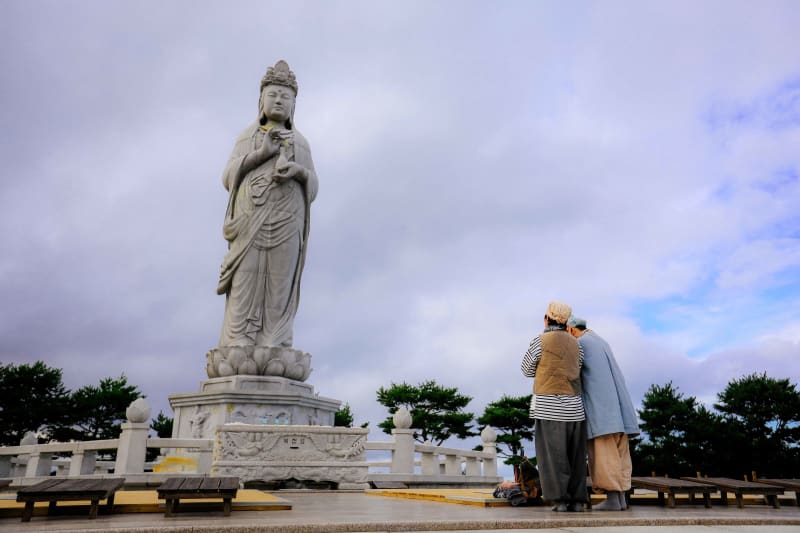
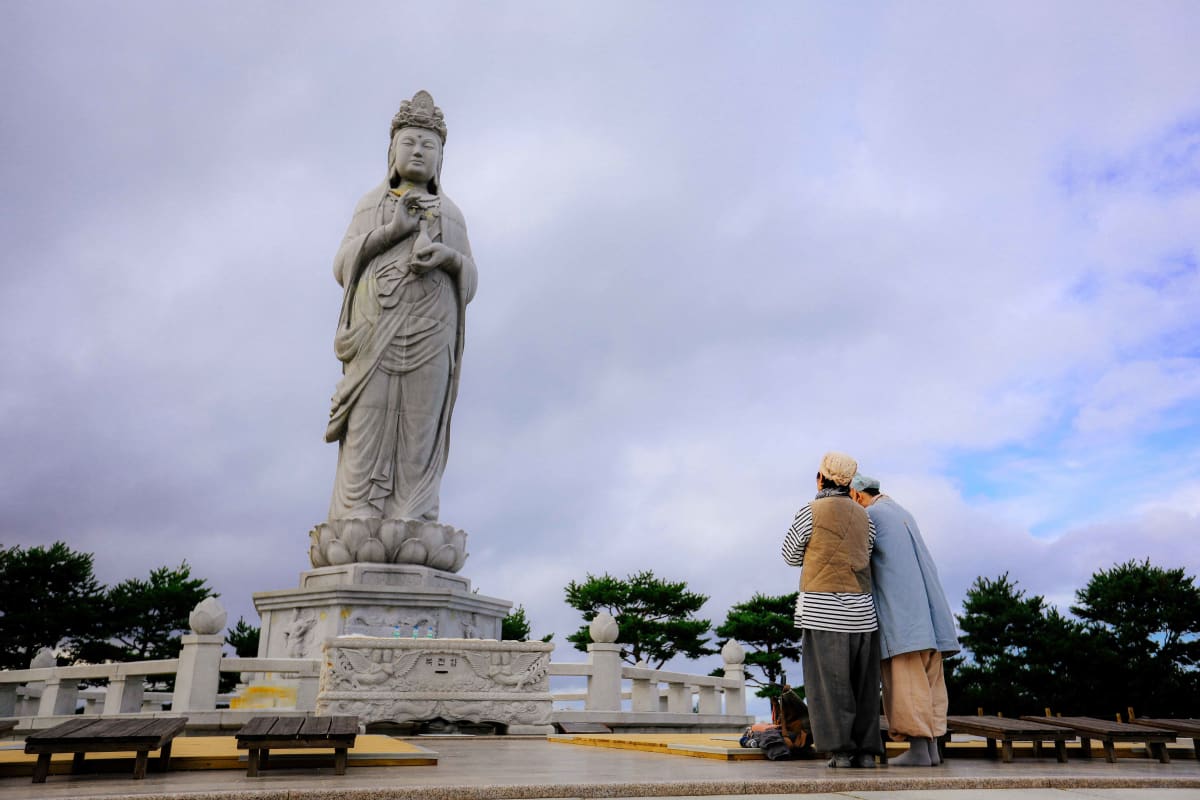
The 16-meter Haesu-gwaneum statue, a figure of Gwaneum overlooking the sea, stands on a hill above the temple; made in 1977 by sculptor Kwon Jeong-hwan, it is the largest Haesu-gwaneum statue in East Asia. Uisangdae is a pavilion built in 1925 on the spot where Uisang meditated, and Hongnyeonam is a hermitage built above a stone cave, its name taken from a story of a red lotus (hongnyeon) rising from the sea with Gwaneum. Both were designated a scenic site in 2007. The Seven-story Stone Pagoda, originally three stories, was raised to seven stories in 1467 and follows a simplified Goryeo style; it was designated a treasure in 1968. A stupa built in 1692 to hold Buddhist reliquaries, along with its stele, was designated a treasure in 2011 after the reliquaries were found undamaged. The rainbow-shaped stone gate Hongyemun, built at the temple entrance for a visit by King Sejo in 1467, was designated Gangwon Tangible Cultural Heritage in 1971.
What to know
- In KoreanCopied
- Typically spend1–2 hours
How to get there
Hours
Last admission 17:30.
- Open year-round, no weekly closures.
Amenities
Resources

Reviews
Book your visit
We may earn a commission from these links.
Stay nearby
We may earn a commission from these links.


 guru report