


Hightlight
-
 UNESCO World Heritage
Travel Map: Gyeonggi
수원화성
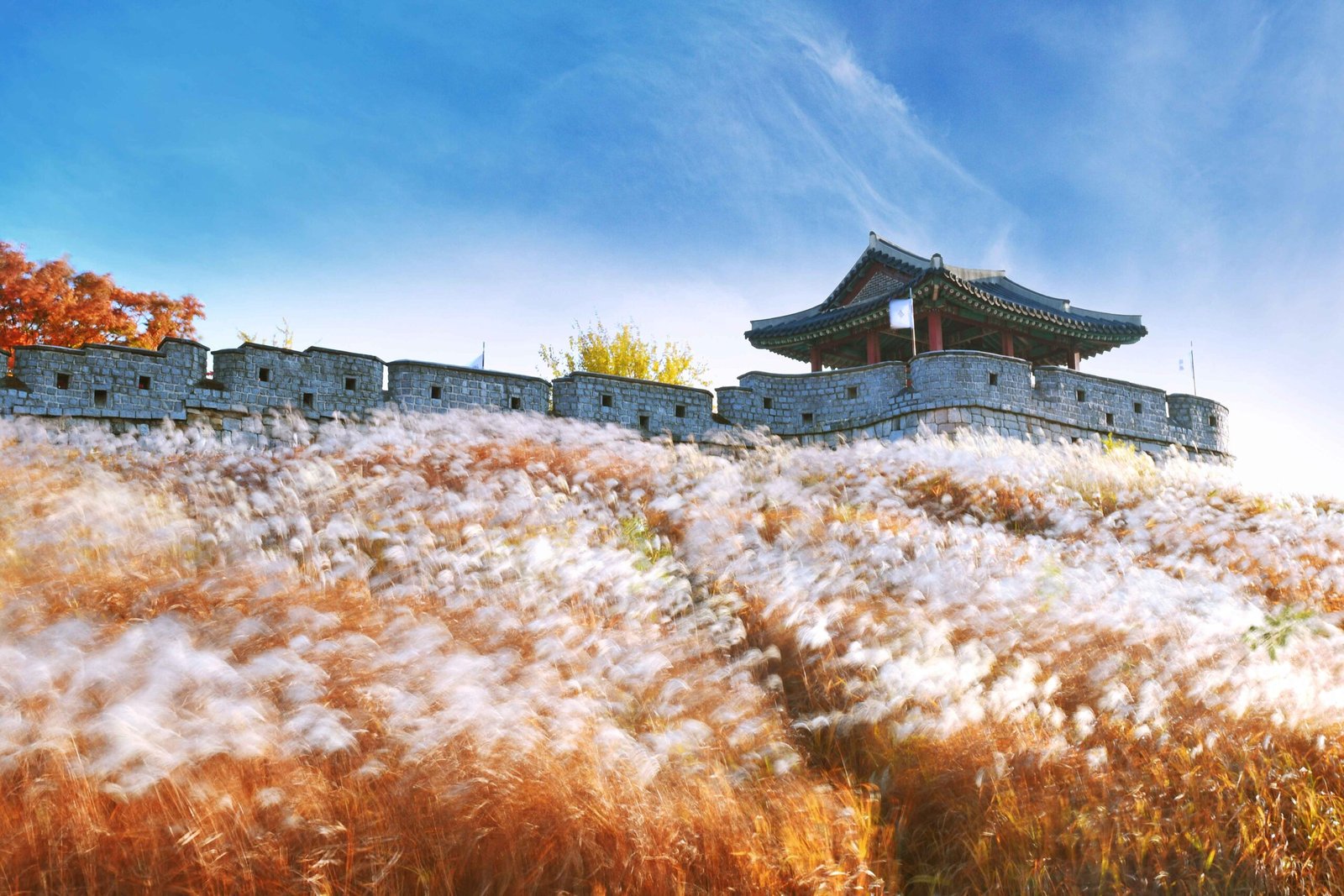
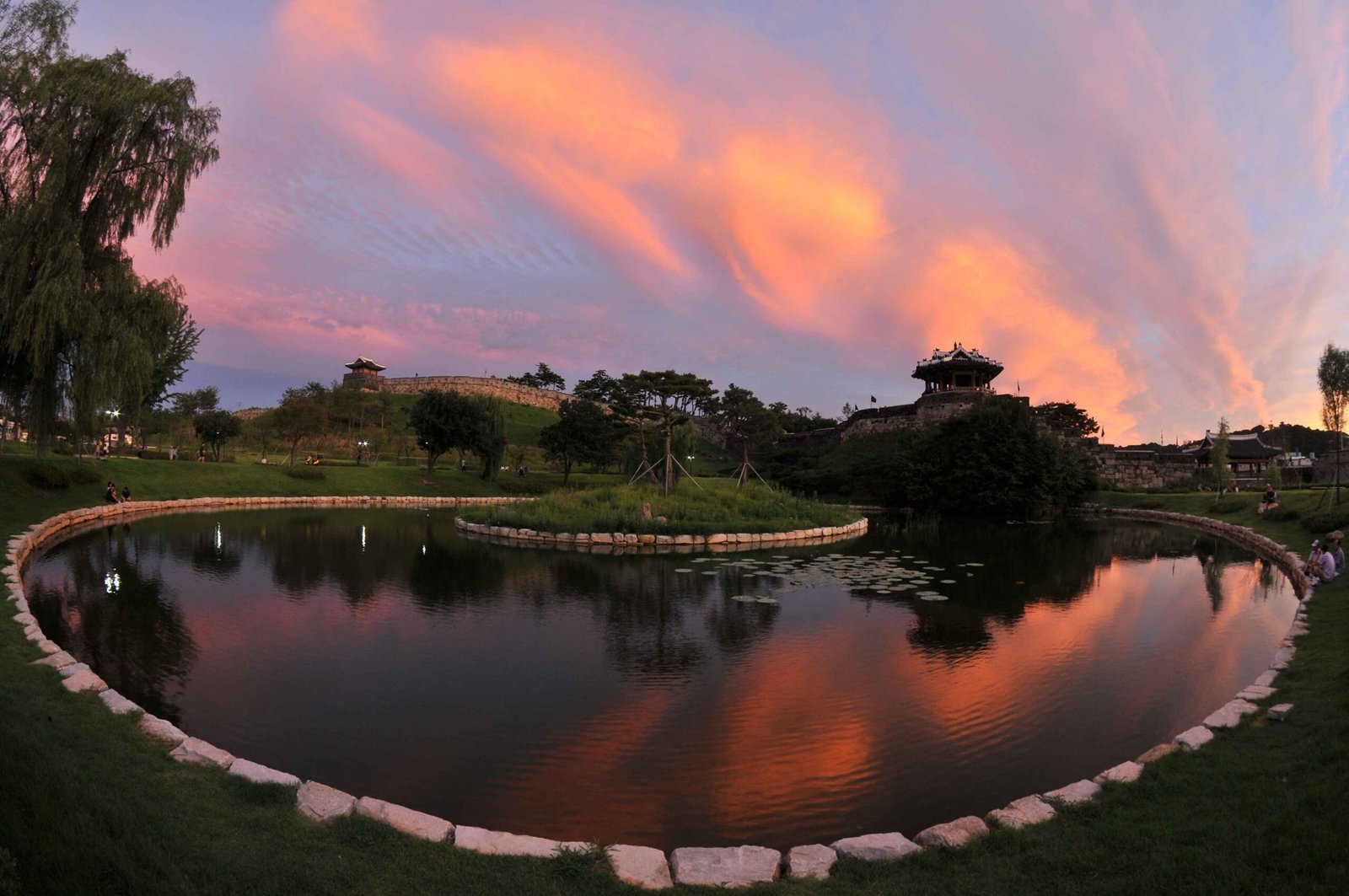
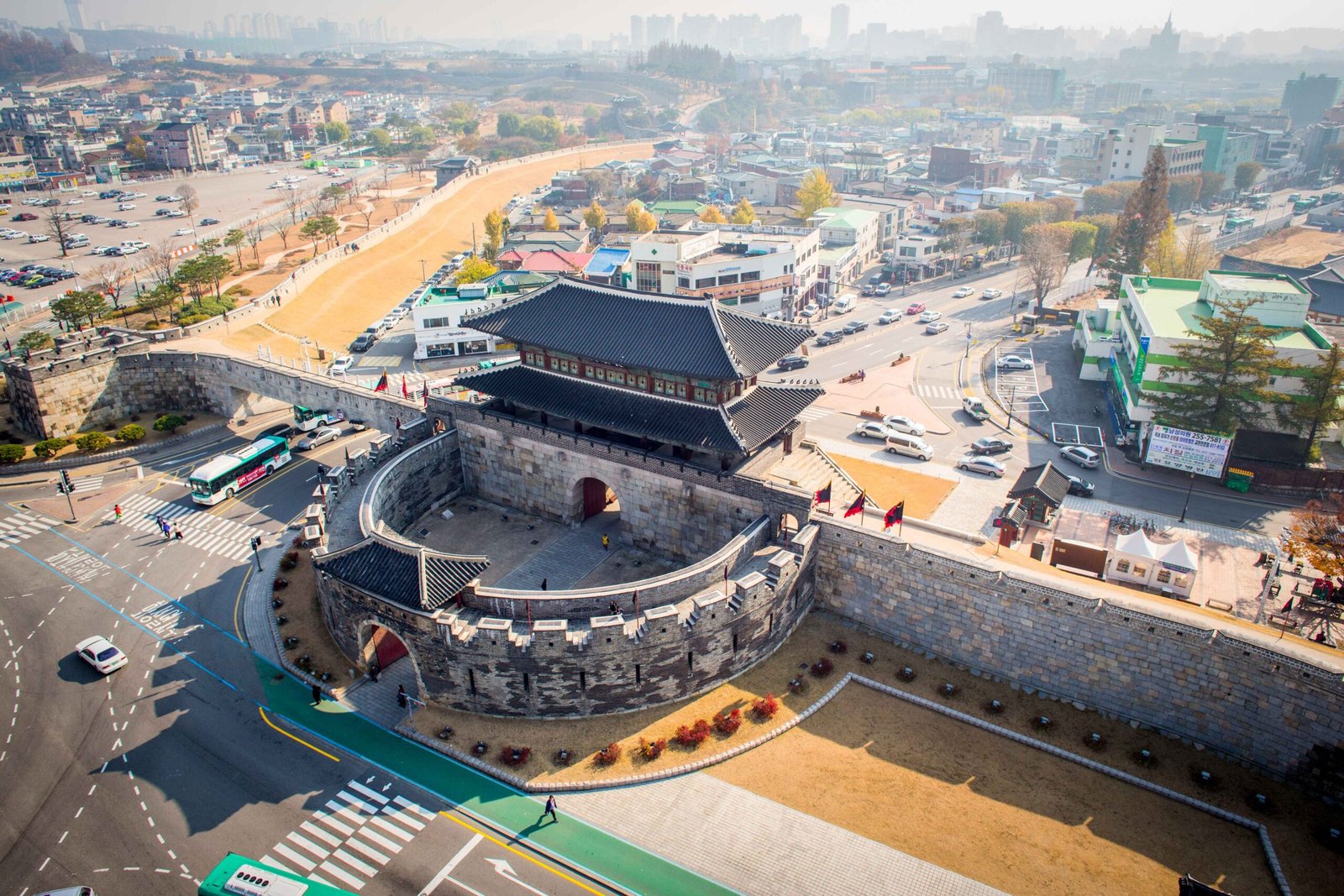
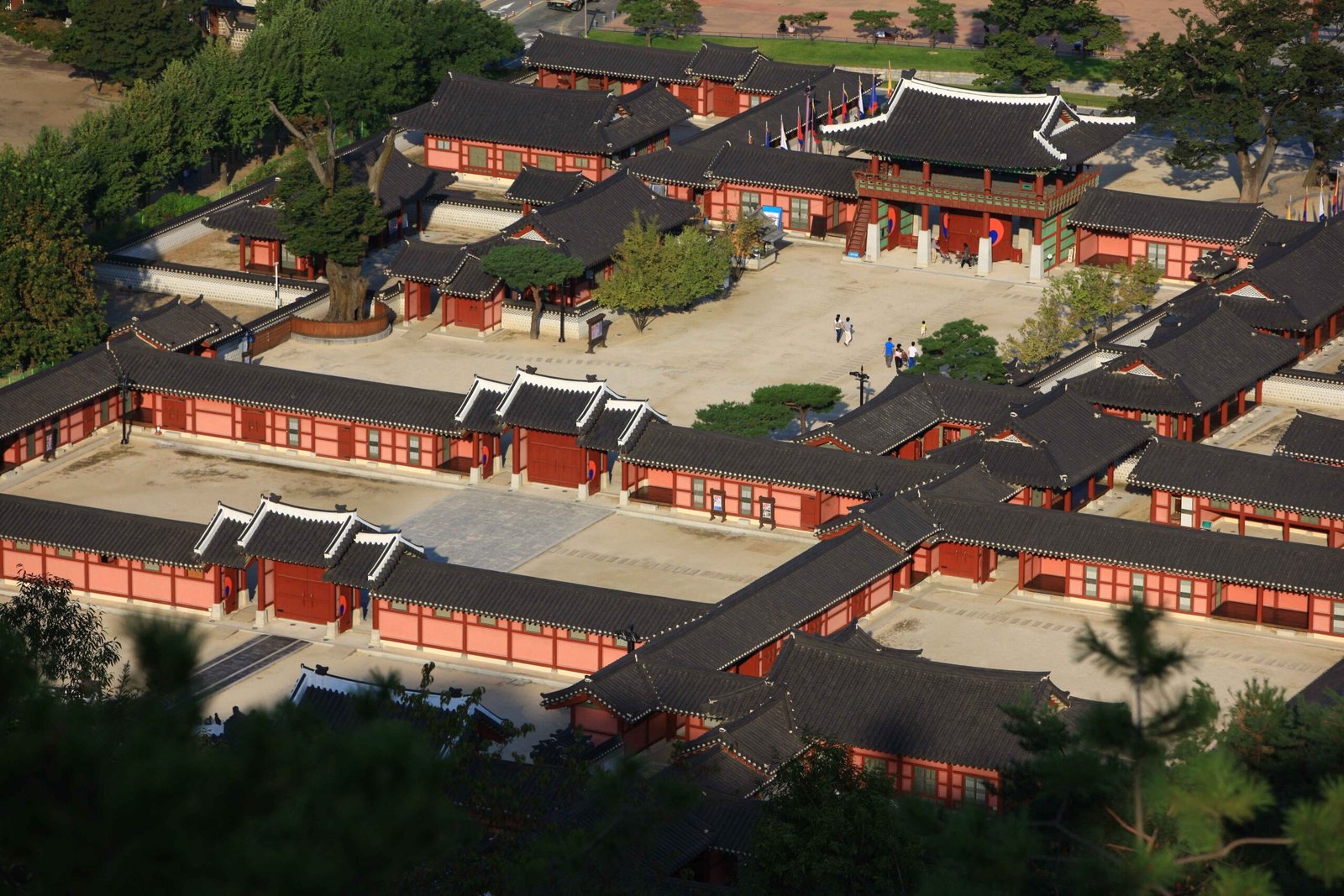
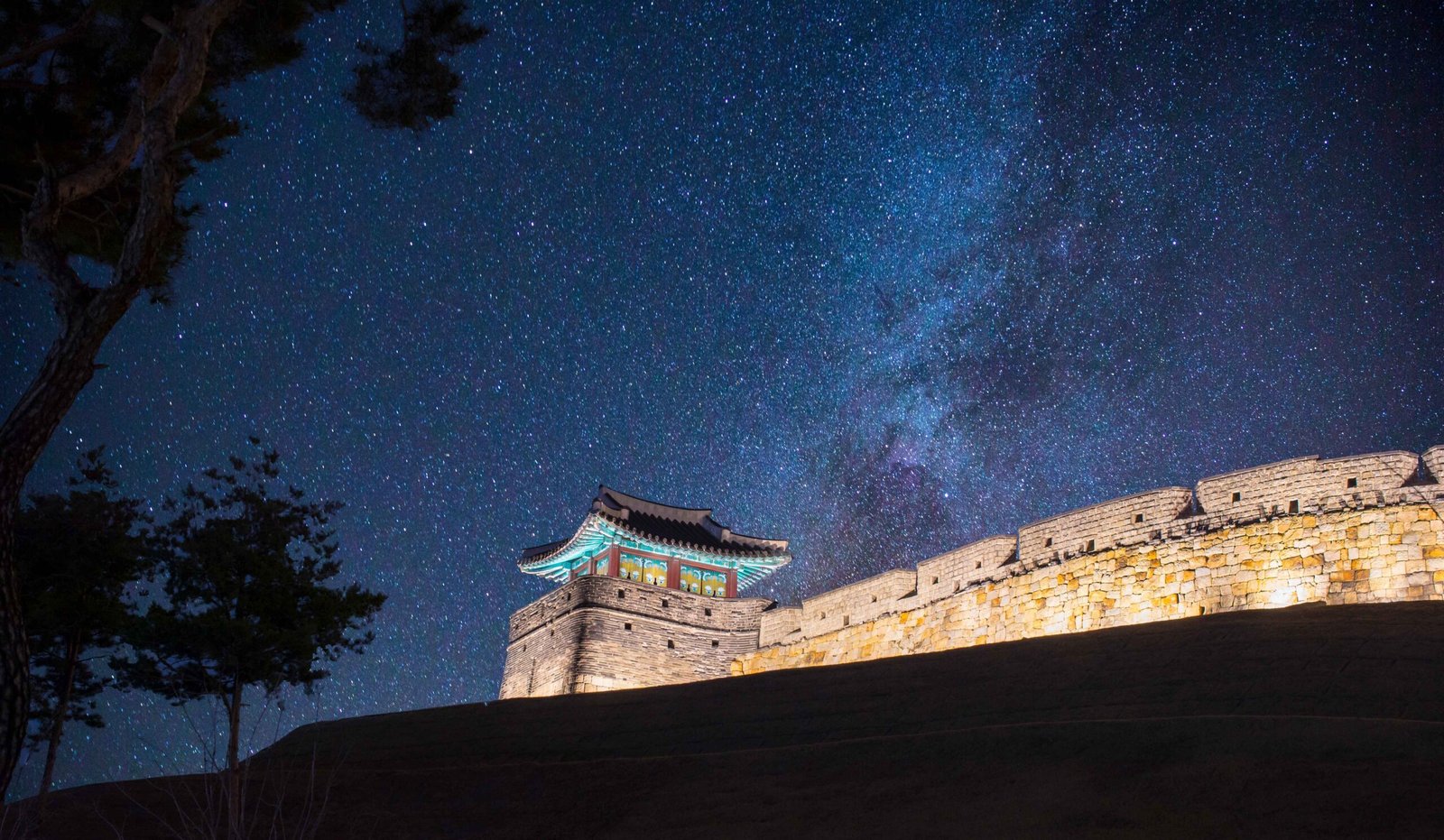
Suwon Hwaseong Fortress, built by King Jeongjo of the Joseon Dynasty between 1794 and 1796, is a large-scale defensive structure made of stone and brick surrounding the center of Suwon, Gyeonggi Province.
Inscribed as a UNESCO World Heritage Site in 1997, it is recognized as a masterpiece that combines the latest military and architectural techniques from both the East and the West.
Key Features and Values
- Fortress Length: Approximately 5.74km, encircling the 130ha city center.
- Structures: Various defensive and management facilities, including four main gates (Paldalmun, Janganmun, Hwaseomun, and Changyongmun), an observatory, a guard tower, a guntur, and a secret gate.
- Purpose of Construction: King Jeongjo moved the tomb of his father, Crown Prince Sado, to Suwon, honored his filial piety, and established the city as a hub for political reform.
- Urban Planning: Korea’s first planned city, built for both commercial and military purposes, retaining its original river and road network.
- Major Events and Attractions: Suwon Hwaseong Cultural Festival (held in the fall), traditional martial arts demonstrations, Hwaseong Temporary Palace, and other various palace and experience events.
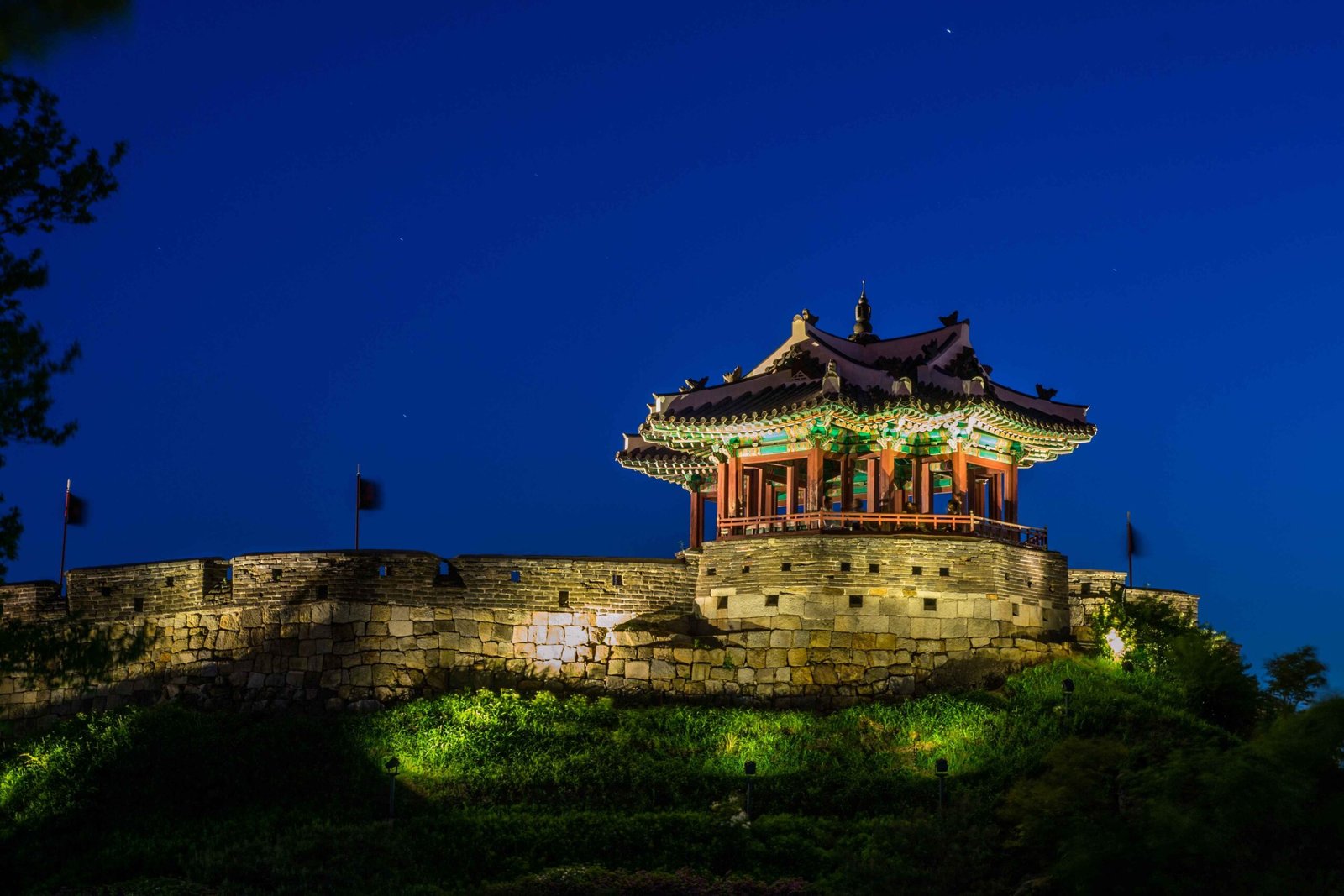
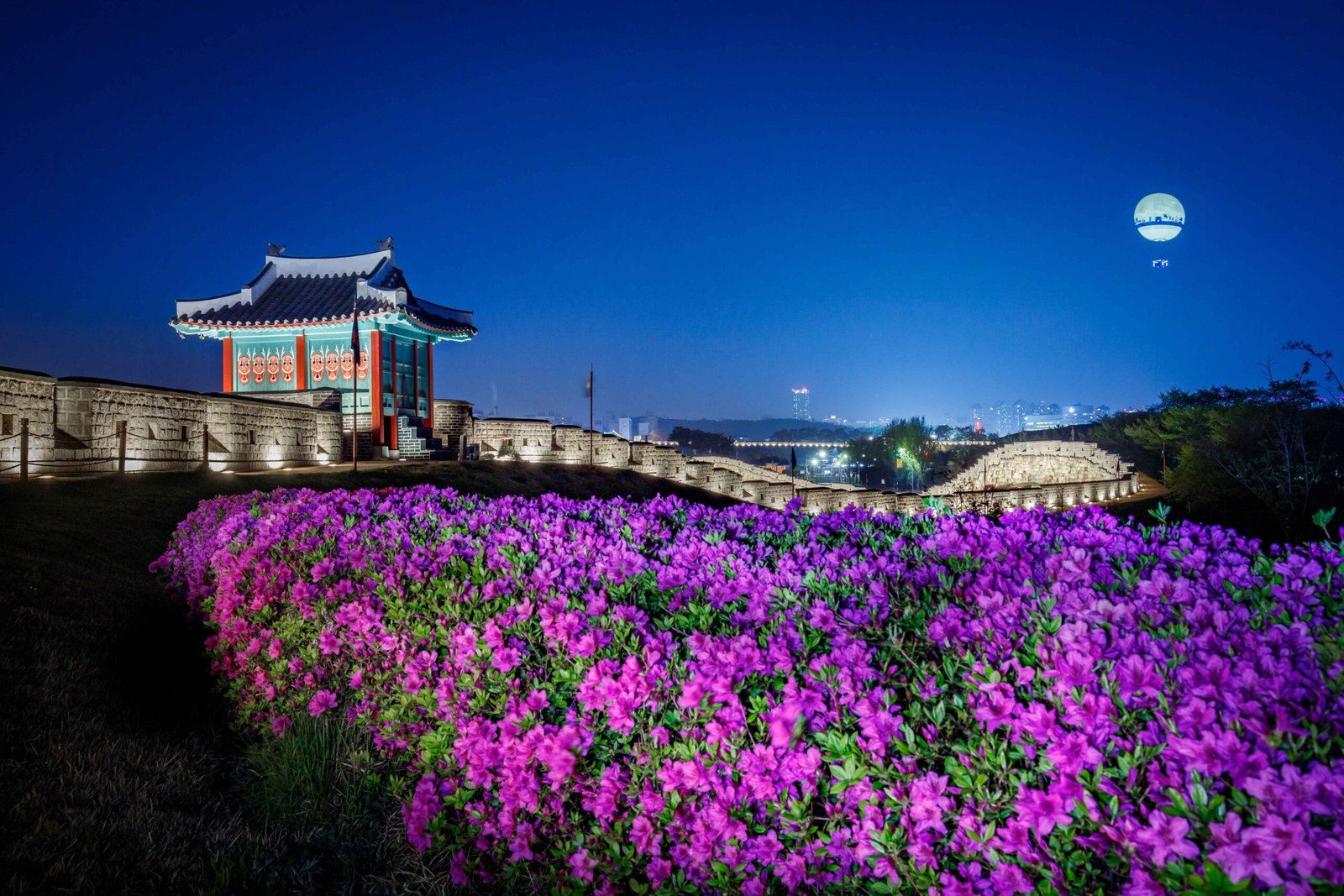
Suwon Hwaseong offers a variety of experiences and attractions, including traditional martial arts performances, fortress tours, and nighttime illuminations. Its well-established tourist infrastructure includes Hwaseong Temporary Palace, a walk along the fortress walls, nearby museums, and food stalls. It is a great historical and cultural destination for families, groups, and foreign visitors alike.
ⓒPhoto Korea – 이현우. 김지수. 임영록. 오도연. 라이브스튜디오. 박병수. 김학리.


