Hightlight
-
 Accessible
-
 Photographer's Choice
-
 Viewpoint
Travel Map: Jeolla
순천만습지
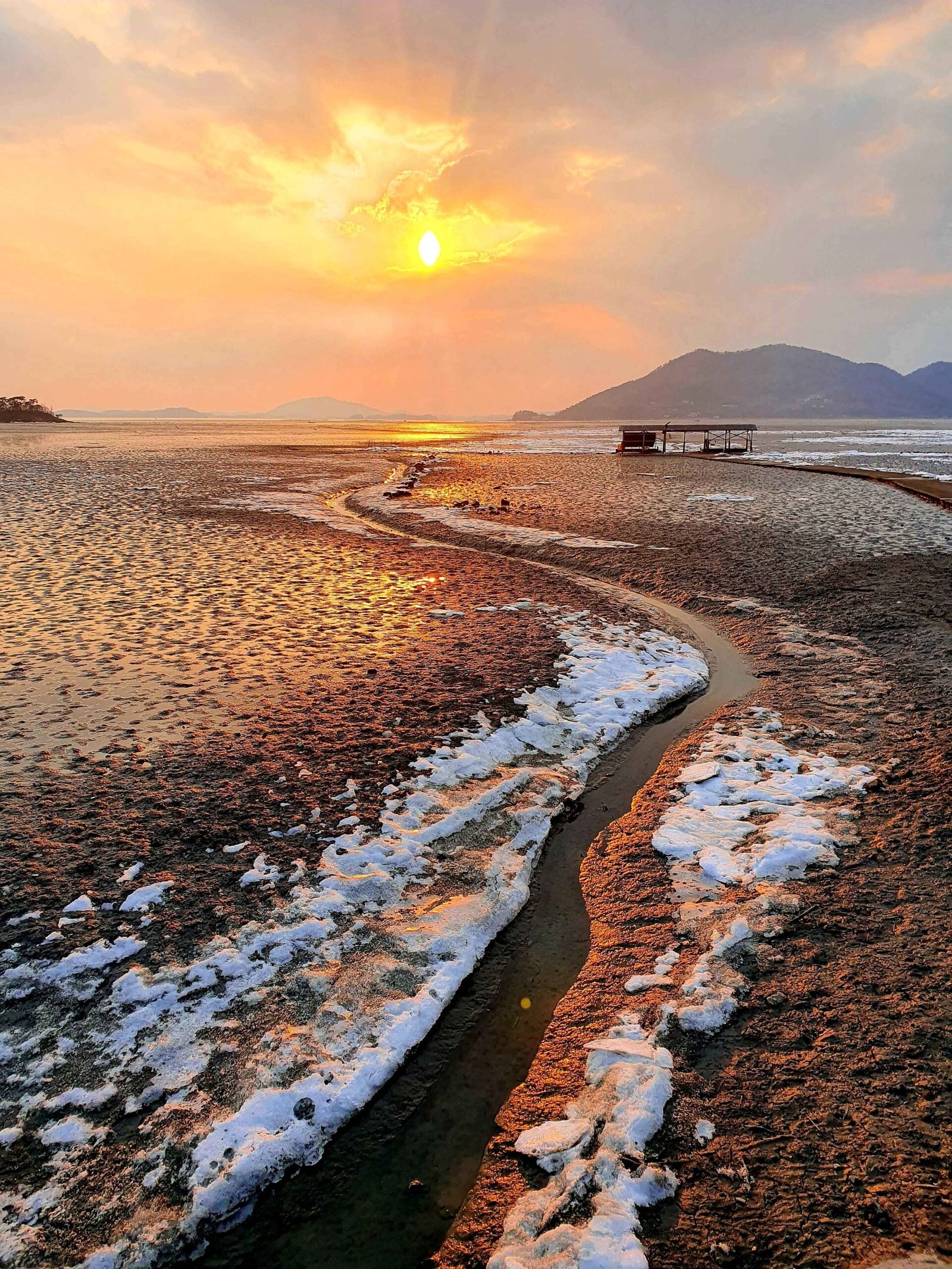
Suncheon Bay Nature Reserve, located in Suncheon City, Jeollanam-do, is a world-class coastal wetland conservation area. With 21.6 km² of tidal flats and 5.4 km² of reed beds, it is Korea’s largest natural wetland.
Designated a Ramsar wetland, it is recognized globally as an important ecosystem and bird habitat.
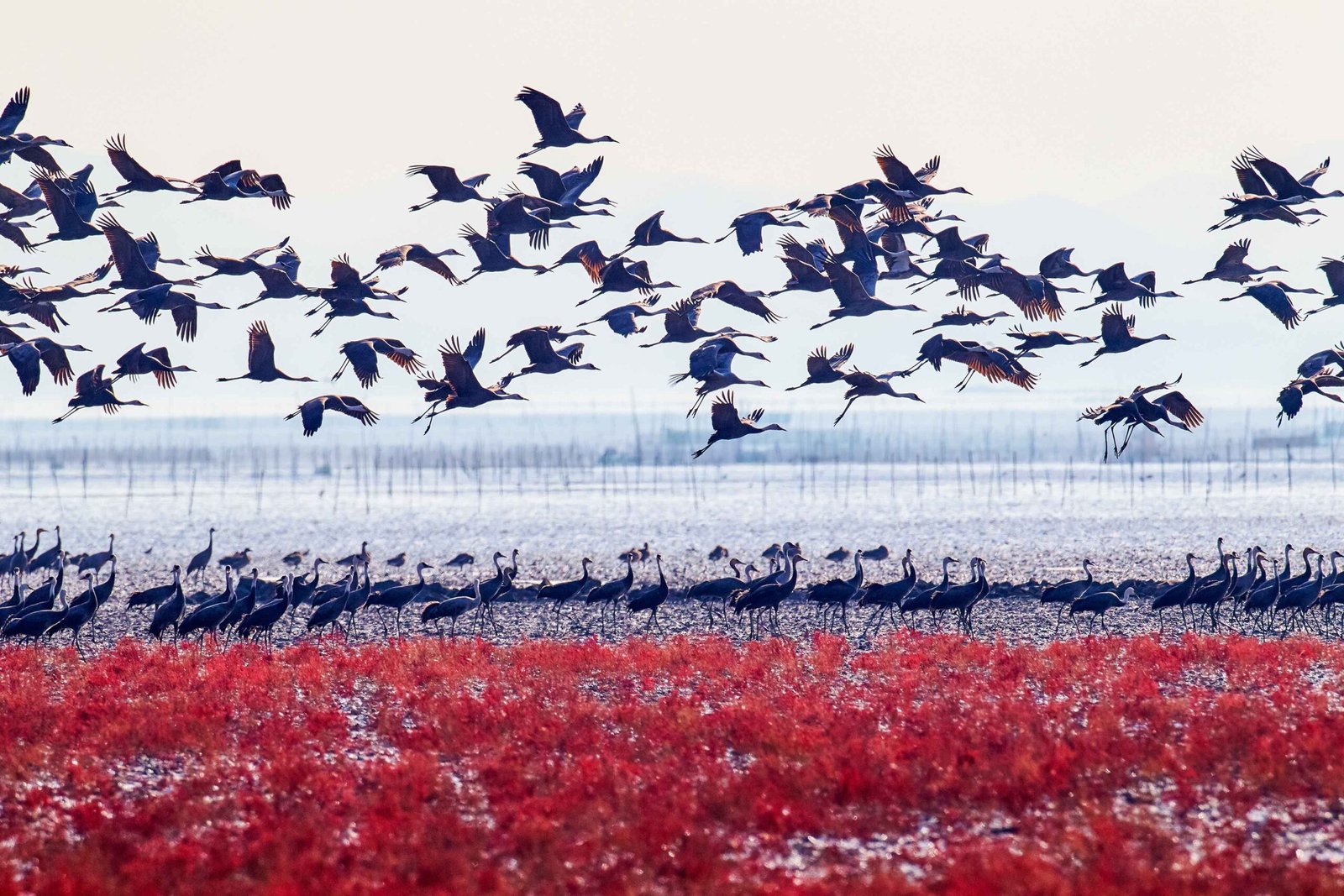
The tidal flats and reed beds boast a rich biodiversity and are an important habitat for winter migratory birds such as rare cranes, storks, and white-tailed eagles.
An ecological interpretation center and an observatory are located within the wetland, allowing visitors to easily observe and learn about the natural ecosystem.
Well-maintained decks and walking paths allow everyone to comfortably experience the wetland and its natural surroundings, making it a popular photography and birdwatching spot.
Natural Environment and Ecology
- Area: 5.4㎢ of reed fields and 22.6㎢ of tidal flats
- Biodiversity: Home to over 140 bird species, including the black crane, and a variety of tidal flat creatures, including mud crabs, mudskippers, and squid crabs
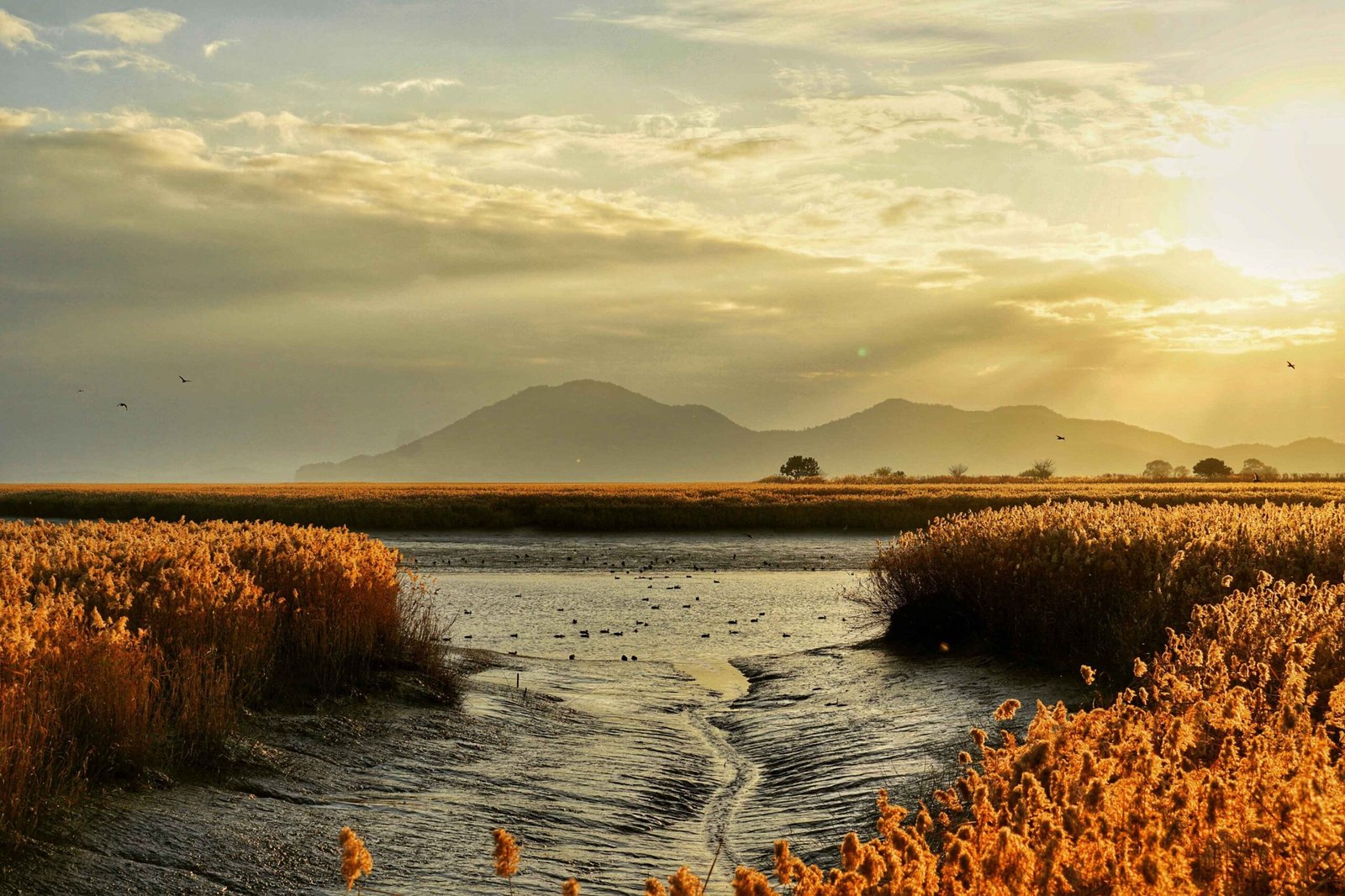
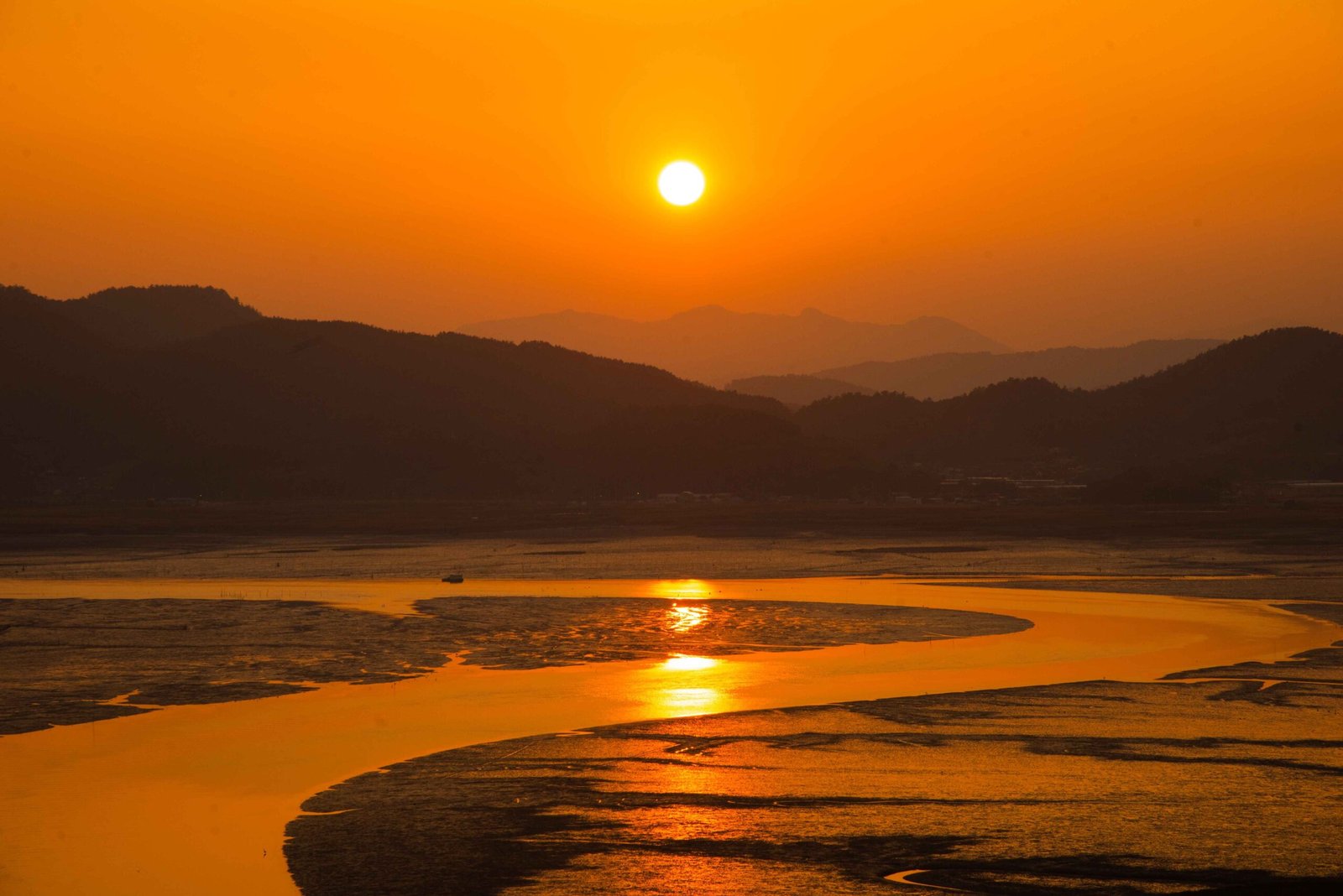
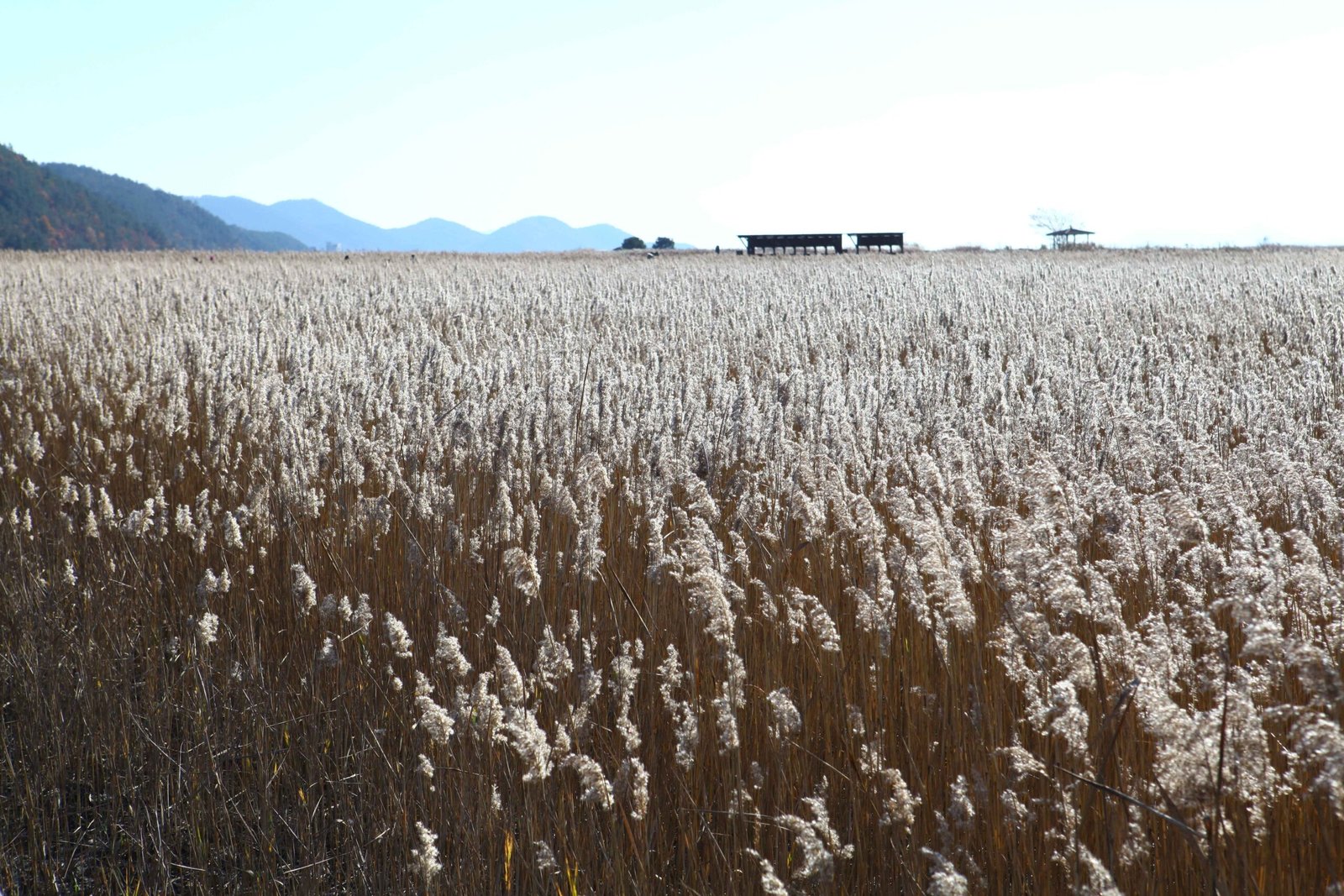
- Key Features: The breathtaking scenery of the S-shaped waterway of Suncheon Bay and the expansive reed fields, particularly spectacular in autumn when the golden reeds glow.
Viewing Points
- Suncheon Bay Observatory: A 20-minute hike to the observatory offers a panoramic view of the entire Suncheon Bay, particularly beautiful at sunset.
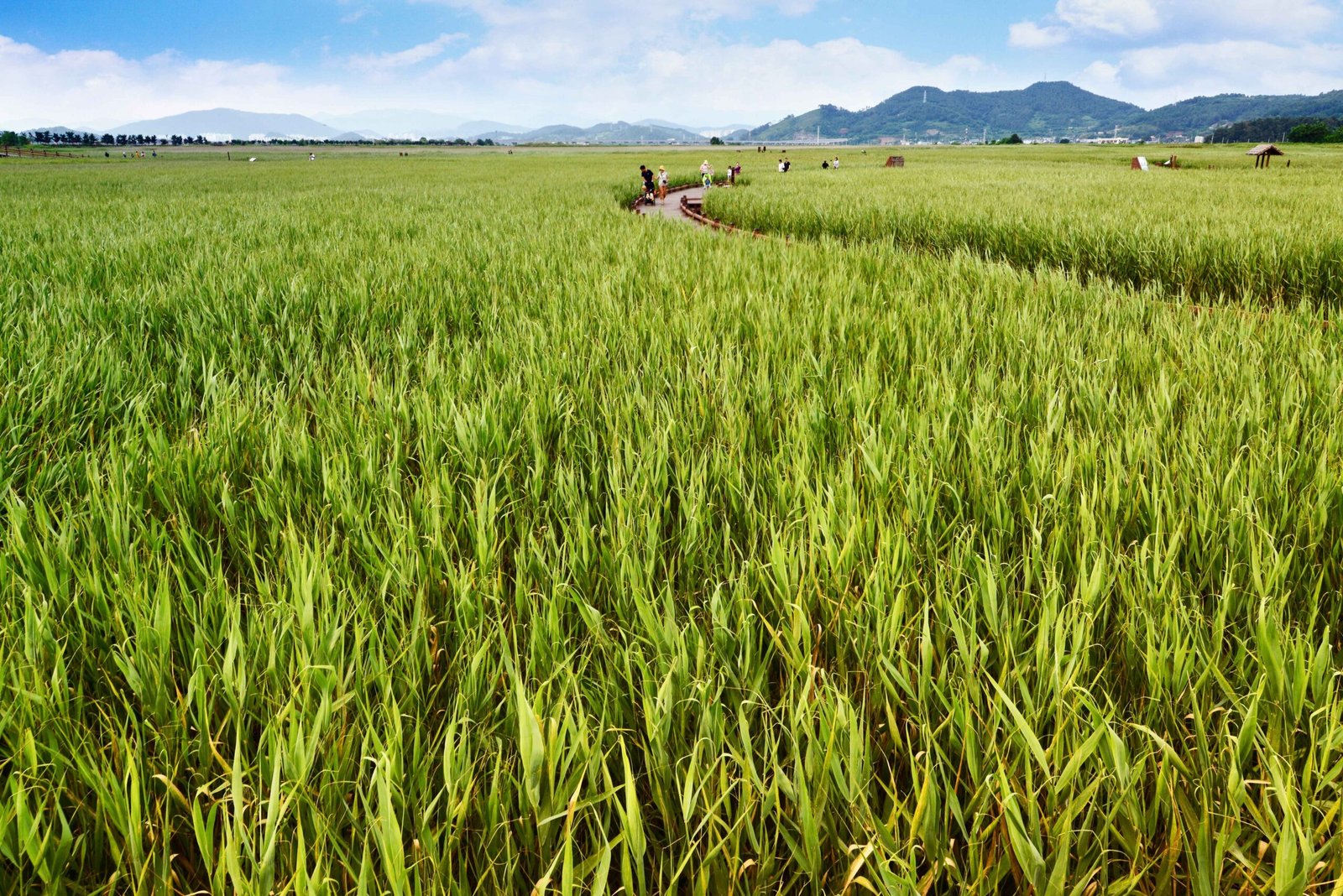
- Reed Trail: Enjoy nature observation along a wooden deck path weaving through the reed fields.
- Suncheon Bay International Wetland Center: Offers educational and hands-on programs on wetland ecosystems.
- Suncheon Bay Ecology Center: Provides detailed information on the natural environment and creatures of Suncheon Bay.
Information
- Hours: 8:30 AM – 7:00 PM (varies by season)
- Admission Fee: Adults KRW 8,000, Youths KRW 6,000, Children KRW 4,000
- Transportation: Take a bus from Suncheon Station or Suncheon Bay Station, or take a taxi from Suncheon KTX Station (approximately 20 minutes)
Best Time to Visit:
- Autumn (October – November): Golden reed fields at their peak
- Winter: Best time to observe migratory birds like black-faced cranes and white-naped cranes
- Spring and Summer: Admire the green reeds and a variety of wildflowers
ⓒPhoto Korea – 정승현. 이강희. 정종현. 박시형. 라이브스튜디오. IR 스튜디오. 이범수