Hightlight
-
 Accessible
-
 UNESCO World Heritage
Travel Map: Seoul
Changdeokgung Palace | 창덕궁
The palace the kings actually wanted to live in
Introduction
Built in 1405 as a secondary palace, but most Joseon kings preferred it over Gyeongbokgung. The only palace in Korea recognized as a UNESCO World Heritage Site.
Worth Visiting?
Yes, and if you can only visit one palace, this might be the one. Gyeongbokgung is bigger and more iconic, but Changdeokgung is where you feel the actual life of the dynasty. Most parts are original or have stayed in their original shape, which gives it a weight that reconstructed buildings cannot match.
The Secret Garden (Huwon) in the back is a must. It is one of the most beautiful traditional gardens in Korea. You need a guided tour to enter, so plan ahead.
Gyeongbokgung vs. Changdeokgung
If you are wondering which palace to visit, here is the short version.
Gyeongbokgung was designed by Jeong Do-jeon to keep kings focused on governing. Symmetrical, perpendicular, disciplined. A palace built around duty, not comfort. Most kings hated it for that reason.
Changdeokgung exists because of that tension. The 3rd king of Joseon, Taejong, seized power through a bloody rebellion (왕자의 난), killed Jeong Do-jeon and one of his own step-brothers inside Gyeongbokgung. He probably could not stay there after that. So he built a new palace and moved in.
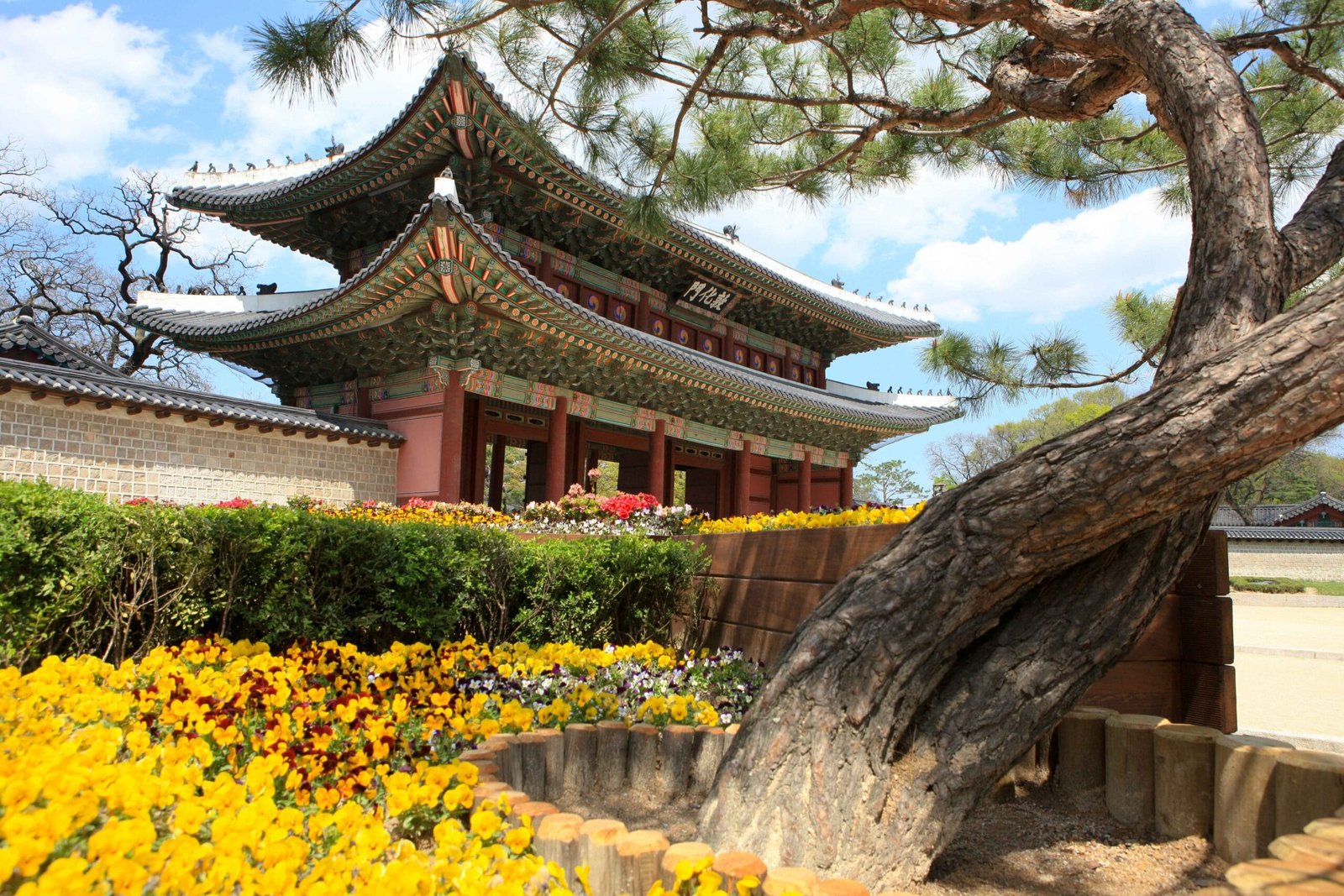
The beauty of Changdeokgung lies in its asymmetry. Where Gyeongbokgung follows a rigid grid, Changdeokgung follows the natural terrain. Buildings curve around hills instead of flattening them. A good example: stand at Jinseonmun Gate and look at the courtyard in front of the throne hall. It looks like a clean rectangle, but it is actually skewed to work around the hillside. The architect designed it this way on purpose. Records say the king threw him in jail because the plan looked wrong on paper, then brought him back when he realized the architect was right.
That philosophy runs through the whole palace. The form follows nature. And that is exactly why UNESCO recognized it.
Highlights
Injeongjeon | 인정전
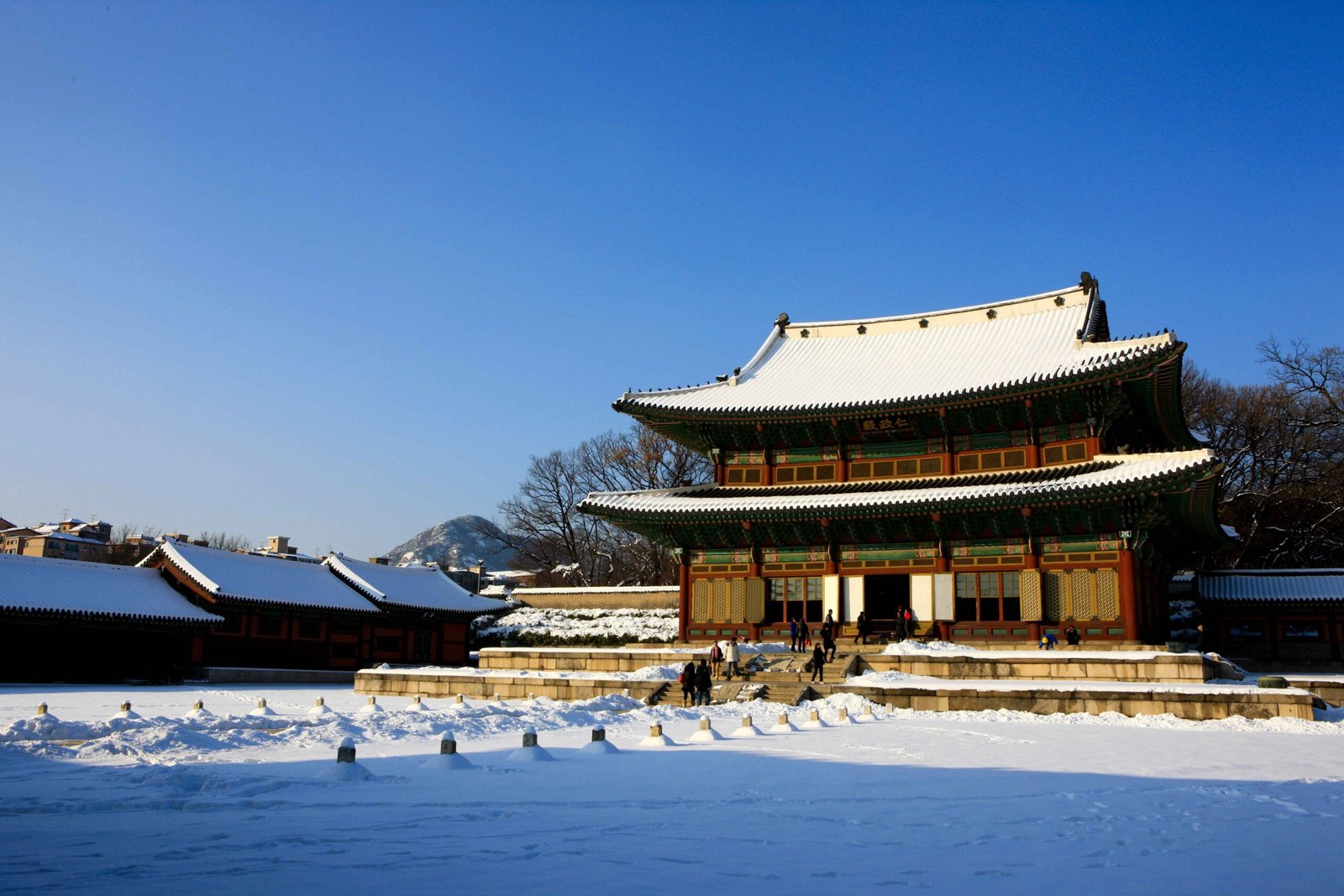
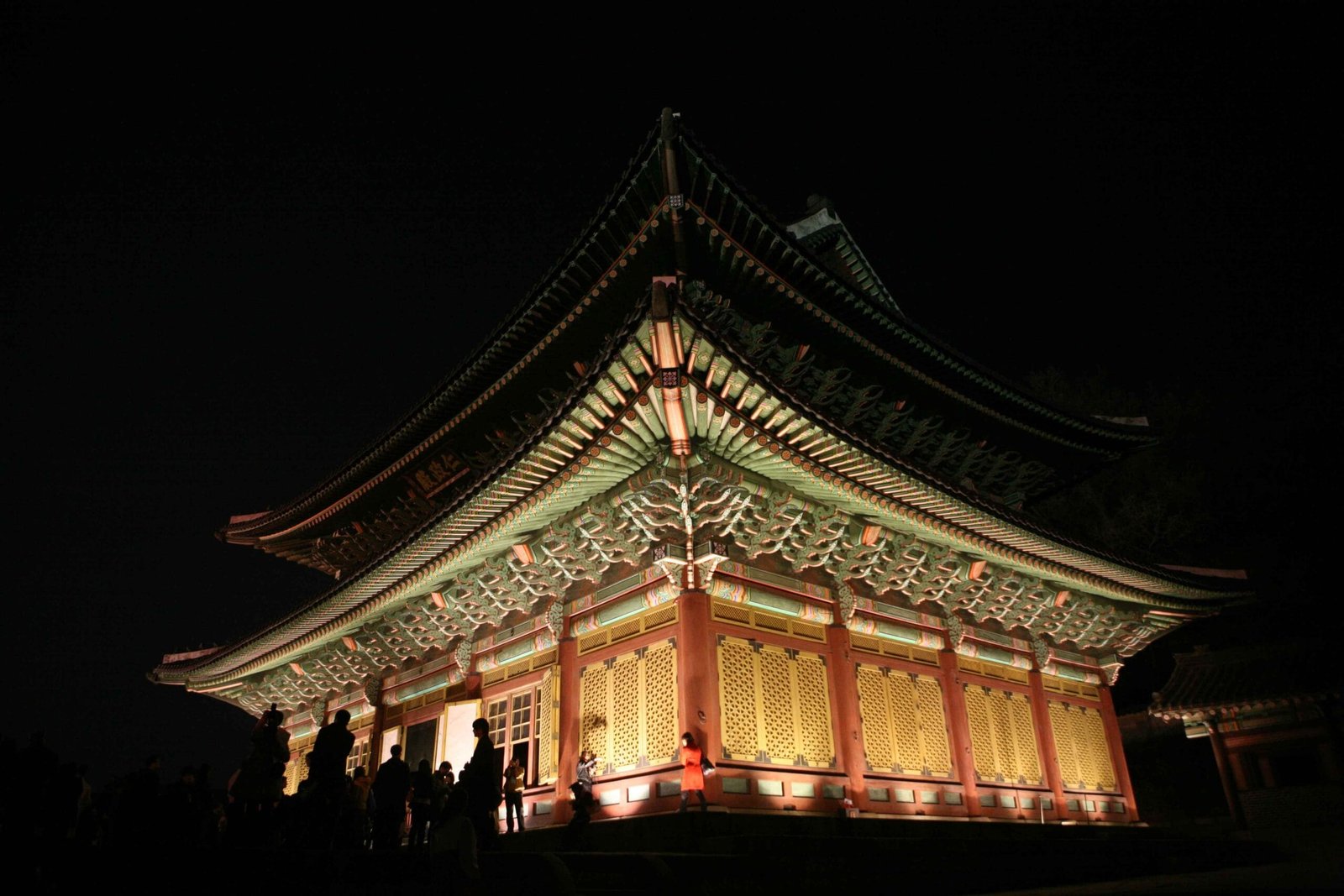
The throne hall. Smaller than Gyeongbokgung’s Geunjeongjeon but arguably more elegant. Look at the stone courtyard and the rank markers where officials would stand during court.
Seonjeongjeon | 선정전
The only palace building in Korea with blue roof tiles still intact. Blue tiles were reserved for buildings where the king handled daily state affairs. Every other blue-tiled building across all the palaces has been destroyed or rebuilt with grey tiles.
The Secret Garden | 후원
A massive garden behind the palace with pavilions, ponds, and centuries-old trees spread across a hilly landscape. Buyongji Pond and the pavilion reflected in it are the highlight. The garden was designed as a private retreat for the royal family, and it still feels like one. Guided tour only, about 90 minutes. Book in advance.
Nakseonjae | 낙선재
A residential compound near the east side of the palace. The last members of the Korean imperial family lived here until the 1980s. It has a more intimate, personal feel compared to the formal palace buildings.
Local Tips
- The Secret Garden tour fills up fast, especially in autumn. Reserve online at royal.khs.go.kr at least a few days ahead. 50 spots are available online, 50 on-site (first come, first served).
- English garden tours run at 10:30, 11:30, 14:30, and 15:30 (one fewer in winter). The tour is about 90 minutes.
- Allow 15-20 minutes to walk from the main gate to the garden entrance. Arrive at the palace well before your tour time.
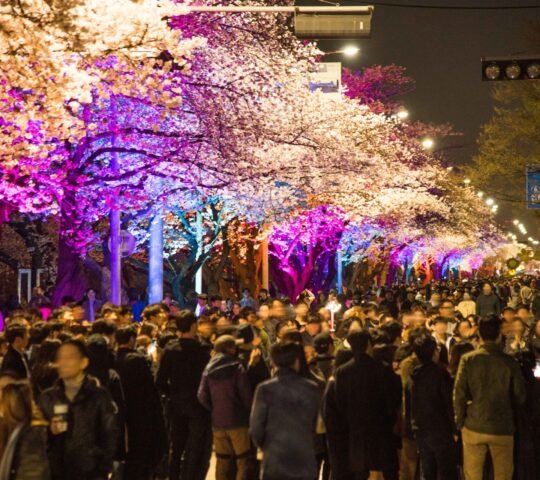
- The Moonlight Tour (달빛기행) runs in spring and autumn evenings. A nighttime walk through the palace and garden. Tickets go through a lottery system on Ticketlink. If you can get one, it is a special experience.
- Wearing hanbok gets you free entry to the palace (not the garden).
- The combined palace ticket (10,000 KRW) covers this palace, the Secret Garden, Gyeongbokgung, Changgyeonggung, Deoksugung, and Jongmyo. Best deal if you plan to visit more than two.
- You can walk directly into Changgyeonggung through Hamyangmun Gate on the east side. Separate ticket needed.
- Closed every Monday.
Getting There
By Subway (Recommended)
- Anguk Station (Line 3), Exit 3. Walk straight about 5 minutes. The palace gate will be on your left.
Practical Info
Opening Hours
| Period | Hours |
|---|---|
| Feb – May | 09:00 – 18:00 |
| Jun – Aug | 09:00 – 18:30 |
| Sep – Oct | 09:00 – 18:00 |
| Nov – Jan | 09:00 – 17:30 |
Last entry is 1 hour before closing. Closed every Monday.
Admission
| Type | Price |
|---|---|
| Palace (adult) | KRW 3,000 |
| Secret Garden (additional) | KRW 5,000 |
| Under 18 (foreign) / Under 24 (Korean) | Free |
| 65+ / Hanbok / Culture Day | Free |
Secret Garden English Tours
| Period | Times |
|---|---|
| Mar – Nov | 10:30, 11:30, 14:30, 15:30 |
| Dec – Feb | 10:30, 11:30, 14:30 |
100 people per session. Reserve at royal.khs.go.kr.
Key Info
| | |
|---|---|
| Nearest Station | Anguk Station (Line 3), Exit 3 |
| Address | 99 Yulgok-ro, Jongno-gu, Seoul |
| Closed | Every Monday |
| Time Needed | 1-1.5 hrs (palace only), 3+ hrs (palace + garden) |
| Connected To | Changgyeonggung (via Hamyangmun Gate) |
| Website | cdg.go.kr |
ⓒPhoto Korea – 이범수. 김지호.